
Sep 30, 2026
Ball Python: Fascinating Facts About This Remarkable Snake
Calm, beautifully patterned, and surprisingly fascinating, the Ball Python is one of the most well-known snakes in the world. Also called the Royal Python, this non-venomous snake is recognised for its distinctive markings, compact body, and interesting defensive behaviour. When threatened, a Ball Python has a remarkable way of protecting itself—it curls its body into a tight ball and tucks its head safely inside. This unique behaviour is also the reason behind its common name.
At Flora & Fauna, visitors can discover fascinating reptiles and learn more about the unique adaptations that make each species special. Here are some interesting Ball Python facts you should know. 1. Ball Pythons Can Grow Up to 6 Feet Long Ball Pythons are relatively compact compared with some of the world's larger python species. Adult Ball Pythons can generally reach around 2 to 6 feet in length, with females often growing larger and heavier than males. Their muscular bodies and distinctive patterns give them a fascinating appearance despite their relatively manageable size. 2. They Can Weigh Several Kilograms A healthy adult Ball Python can weigh approximately 1.2 to 3 kilograms, although weight varies depending on factors such as sex, age, body condition, and individual size. Females are generally larger and heavier than males. Their strong, muscular bodies are perfectly adapted for their life as constricting predators. 3. They Curl Into a Ball When They Feel Threatened One of the most famous characteristics of a Ball Python is its defensive behaviour. When it feels threatened, the snake may coil tightly into a compact ball, protecting its head and other vulnerable parts of its body within the coils. This behaviour is particularly distinctive and is the reason the snake is commonly known as the Ball Python. Rather than immediately trying to escape or attack, curling into a ball can help the snake protect itself from potential threats. 4. Ball Pythons Are Non-Venomous Constrictors Ball Pythons are non-venomous snakes. Like other pythons, they subdue their prey through constriction. After securing prey with their mouth, they use their muscular body to hold it before swallowing it whole. Their jaws and flexible skull structure allow them to consume prey that may appear surprisingly large compared with the snake's head. 5. They Are Carnivores Ball Pythons are carnivorous reptiles. In their natural habitat, they feed primarily on small mammals and other suitable prey. In managed environments, their diet is carefully planned according to their size, age, health, and nutritional requirements. Unlike humans and herbivorous animals, snakes do not need to eat every day. Their ability to consume a substantial meal and then spend time digesting it allows them to go for periods between meals. 6. They Do Not Need to Feed Every Day One interesting aspect of Ball Python biology is their feeding pattern. A Ball Python does not normally require daily feeding. Depending on the animal's age, size, health, and husbandry programme, feeding may take place at intervals such as weekly or longer. At Flora & Fauna, feeding schedules are managed according to the requirements of the individual animals rather than following a one-size-fits-all routine. This is an important part of responsible reptile care. 7. Female Ball Pythons Lay Eggs Ball Pythons are oviparous, meaning females reproduce by laying eggs. A female may lay a clutch of approximately 4–12 eggs, with clutch size varying between individuals. After laying her eggs, the female remains associated with the clutch and can coil around them during incubation. This behaviour helps protect the eggs and allows her to regulate their temperature through specialised muscular activity. 8. Their Patterns Help Them Blend Into Their Environment Ball Pythons are known for their beautiful natural patterns. Their bodies typically feature contrasting dark and light markings that help them blend into their surroundings. Camouflage is particularly useful for a predator that spends time moving through vegetation and hiding while waiting for suitable prey. Their patterns also make them one of the most visually recognisable python species. 9. They Are Native to Africa Ball Pythons naturally occur in West and Central Africa. They can be found across a broad region and occupy habitats including grasslands, savannas, shrublands, and areas near agricultural landscapes. Their ability to use different environments has helped them become widely distributed across their natural range. 10. They Are Mostly Active at Night Ball Pythons are primarily nocturnal, meaning they are generally more active during the night. During the daytime, they may spend much of their time resting or hiding in sheltered locations. Their nighttime activity allows them to search for food and explore their surroundings when temperatures are more suitable and many prey animals are active. Why Are Ball Pythons So Fascinating? Ball Pythons may not be the largest snakes, but they have several remarkable characteristics. They are: • Non-venomous constrictors • Carnivorous reptiles • Capable of growing up to around 6 feet • Known for their distinctive defensive balling behaviour • Primarily nocturnal • Oviparous, meaning they lay eggs • Beautifully patterned • Adapted to feeding at intervals rather than every day Their combination of unique behaviour, striking appearance, and fascinating biology makes them an interesting reptile to discover. Discover the Ball Python at Flora & Fauna At Flora & Fauna, visitors can discover the fascinating world of reptiles and learn how different species have developed unique adaptations for survival. The Ball Python is a wonderful example. From its remarkable ability to curl into a protective ball to its specialised feeding habits and egg-laying reproduction, this snake offers plenty of fascinating things to learn. Whether you are a reptile enthusiast or simply curious about the natural world, encountering a Ball Python can be an exciting part of your visit. Come closer to nature, discover fascinating reptiles, and explore the incredible diversity of the animal kingdom at Flora & Fauna.
FREQUENTLY ASKEDQuestions
It is a long established fact that a reader will be distracted by the readable content of a page when looking at its layout.
RELATED Blogs
View all blogsOct 5, 2026Read more
Green-Winged Macaw: Fascinating Facts About This Majestic Parrot
Sep 30, 2026Read more
Green and Red Iguana: Fascinating Facts About These Colourful Reptiles
Sep 30, 2026Read more
Black-Capped Lory: Fascinating Facts About This Colourful Parrot
Sep 29, 2026Read more

7 Best Places to Visit in Munnar for an Unforgettable Holiday
Sep 25, 2026Read more
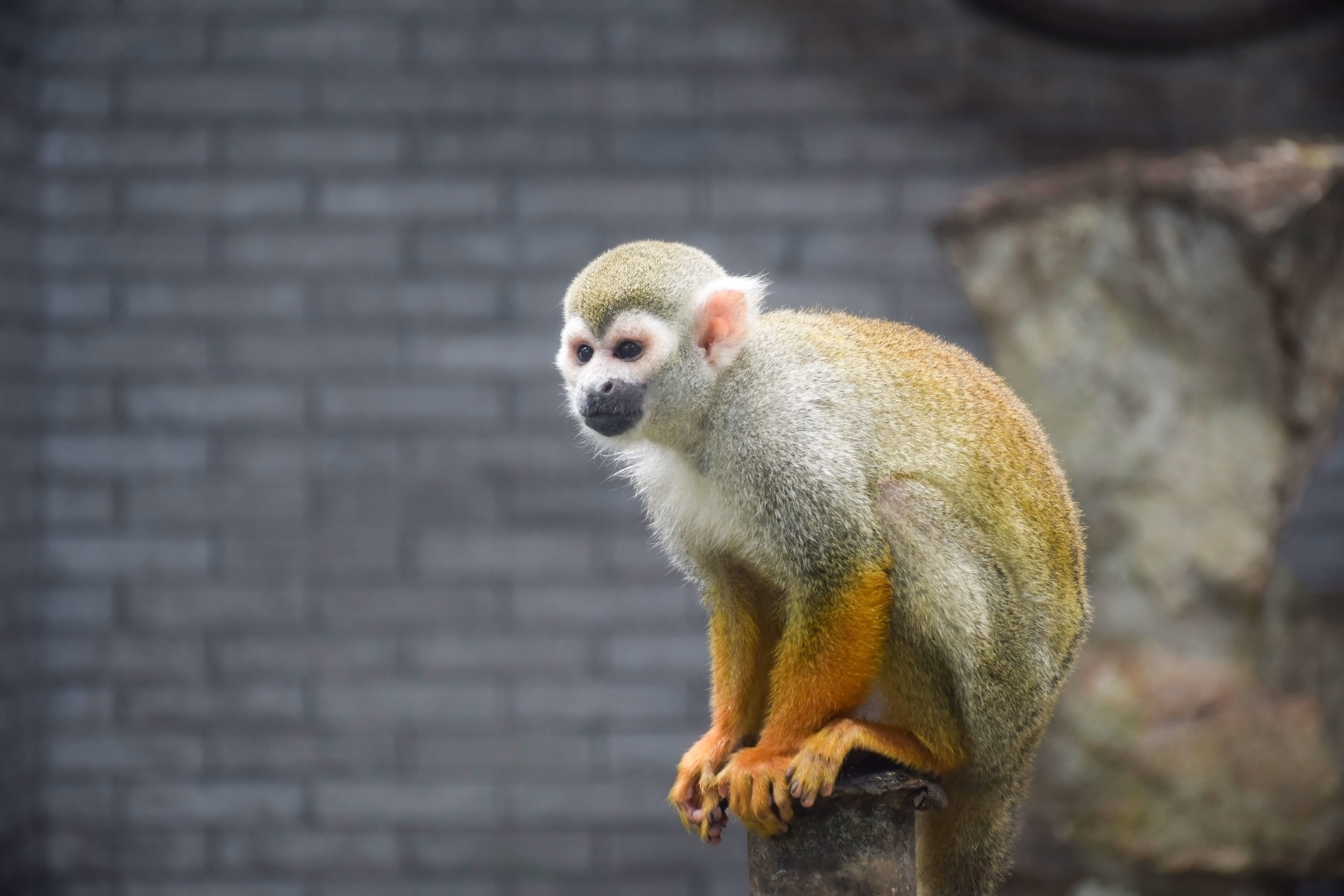
Meet the Squirrel Monkey: Fascinating Facts About One of Nature’s Most Curious Primates
Sep 15, 2026Read more
READY TOEXPLOREWith Us
Contact us now !