
Oct 19, 2026
Ferret: Fascinating Facts About This Playful and Curious Mammal
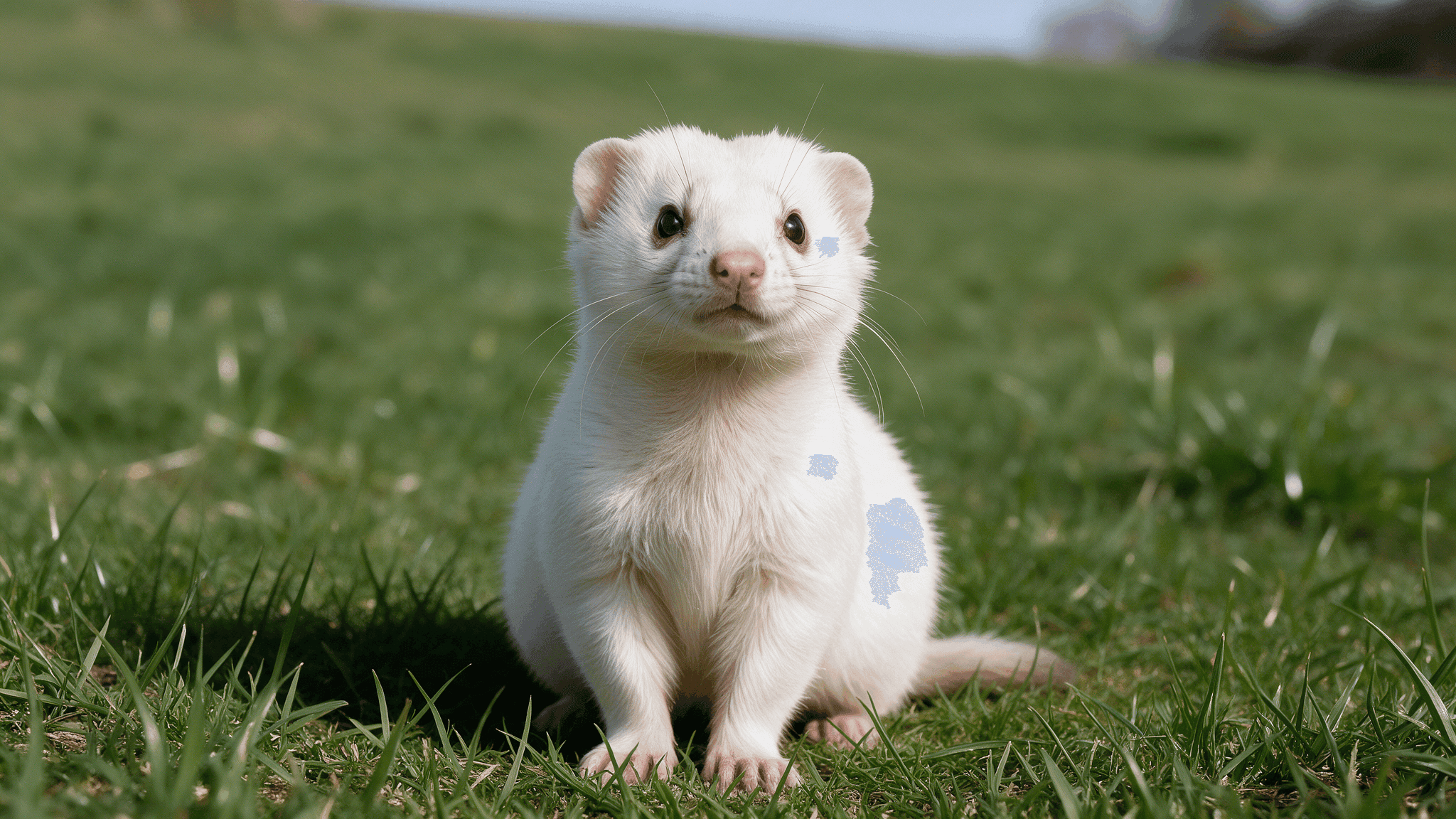
Curious, playful, and full of energy, the Ferret is a fascinating small mammal known for its long, slender body and mischievous personality. These intelligent animals love exploring their surroundings, squeezing into narrow spaces, and investigating almost everything they encounter.
Domestic ferrets are believed to have been domesticated from the European polecat and have a long history of living alongside humans. Their curious nature, playful behaviour, and distinctive appearance make them particularly interesting animals to discover.
At Flora & Fauna, visitors can learn about fascinating animals from different parts of the world, including the playful Ferret. If you're exploring the must visit places in Munnar, discovering unique animals can add an educational and memorable experience to your trip.
Here are some interesting Ferret facts you should know.
1. Why Are Ferrets Called Ferrets?
The name ferret is often associated with the animal's habit of exploring and investigating its surroundings. Ferrets are naturally curious and enjoy searching through tunnels, hiding places, and small spaces. This behaviour makes them enthusiastic explorers.
The English word ferret comes through Old French from Latin furittus, generally understood to mean "little thief." The name reflects the animal's reputation for sneaking around and carrying off small objects.
Their inquisitive nature is one of the reasons ferrets are so fascinating to observe.
2. They Have Long, Slender Bodies
One of the most recognisable features of a Ferret is its long, flexible body.
Their slender shape allows them to move through narrow spaces and explore small openings. Combined with their short legs and flexible movements, this body structure makes them excellent at navigating tunnels and enclosed spaces. Their curious nature often leads them to investigate areas that other animals might ignore.
3. Ferrets Have European Ancestry
Domestic ferrets are believed to have originated from the European polecat, a member of the weasel family.
They belong to the scientific species Mustela putorius furo and are members of the family Mustelidae, which also includes weasels, otters, badgers, and minks.
Their ancestry helps explain their long bodies, sharp teeth, hunting instincts, and energetic behaviour.
4. They Are Highly Curious and Playful
Ferrets are famous for their playful personalities.
They enjoy exploring their surroundings, investigating unfamiliar objects, chasing toys, and squeezing through tunnels. Their curiosity often encourages them to interact with their environment in unexpected ways.
They may also perform energetic movements, jump around excitedly, and engage in playful behaviour with familiar companions.
Providing appropriate toys, tunnels, and enrichment activities helps support their natural curiosity.
5. Ferrets Are Carnivores
Ferrets are obligate carnivores, meaning their bodies are adapted to a diet based primarily on animal-derived nutrients.
Unlike herbivorous rabbits, ferrets need a diet rich in animal protein and fat, with very little fibre.
A suitable diet generally consists of high-quality, nutritionally complete ferret food formulated specifically for their needs.
Fresh water should always be available, and their diet should be selected with guidance from a veterinarian familiar with ferrets.
6. They Sleep for Many Hours a Day
Despite their energetic personalities, ferrets spend a large part of their day sleeping.
They may sleep for approximately 14–18 hours a day, although individual sleep patterns vary with age, activity, and environment.
When awake, they can be very active, alternating between periods of exploration, play, feeding, and rest.
This contrast between long resting periods and energetic activity is one of their most distinctive behavioural characteristics.
7. They Have a Strong Sense of Smell
Ferrets rely heavily on their sense of smell to explore their surroundings.
Their noses help them investigate objects, identify familiar scents, and gather information about their environment.
Scent also plays a role in communication between ferrets. They may use scent marking and other behaviours to establish familiarity with their surroundings.
Their curious nature, combined with their strong sense of smell, makes exploration an important part of their everyday behaviour.
8. They Are Social Animals
Ferrets can form strong relationships with other ferrets and familiar human caregivers.
They often enjoy interactive play and can benefit from regular social interaction and environmental enrichment.
However, individual personalities vary. Some ferrets are more outgoing, while others may prefer quieter interactions.
Providing appropriate supervision, safe spaces, and opportunities for play helps support their physical and mental well-being.
9. Ferrets Can Live for Several Years
With suitable nutrition, veterinary care, exercise, and a safe living environment, domestic ferrets can live for approximately 5–10 years.
Their lifespan varies depending on genetics, health, and the quality of care they receive.
Routine veterinary check-ups and a balanced diet are important parts of responsible ferret care.
10. They Have Interesting Reproductive Behaviour
Ferrets have a seasonal reproductive cycle influenced by daylight hours.
Female ferrets, known as jills, can enter a prolonged heat period if they are not bred or otherwise appropriately managed. This can lead to serious health complications, so reproductive management should be discussed with a veterinarian.
Although ferrets can breed more than once under certain circumstances, breeding plans should always prioritise animal health and welfare.
Responsible breeding requires appropriate veterinary supervision and careful consideration of the needs of both adults and offspring.
Ferrets at Flora & Fauna
At Flora & Fauna, visitors can discover a pair of ferrets and learn more about their fascinating characteristics.
Their slender bodies, playful behaviour, and inquisitive nature make them particularly interesting animals to observe.
Learning about ferrets also provides an opportunity to understand how different mammals have adapted to their environments and how their natural behaviours influence their daily lives.
Why Are Ferrets So Fascinating?
Ferrets may be small, but they have several remarkable characteristics.
They are: • Naturally curious and playful • Equipped with long, slender bodies • Members of the weasel family • Obligate carnivores • Known for their strong sense of smell • Capable of sleeping for many hours a day • Social and interactive • Able to live for approximately 5–10 years
Their combination of curiosity, intelligence, and energetic behaviour makes them fascinating animals to discover.
Flora & Fauna: One of the Must Visit Places in Munnar
Munnar is famous for its rolling tea plantations, mist-covered hills, waterfalls, and beautiful natural landscapes.
However, visitors looking for something beyond traditional sightseeing can also explore experiences centred on animals and nature.
For families, children, and wildlife enthusiasts searching for must visit places in Munnar, Flora & Fauna offers an opportunity to discover a variety of fascinating animals in a nature-focused environment.
From playful ferrets and unusual small mammals to colourful birds and reptiles, visitors can learn about different species and the unique characteristics that make them special.
Adding Flora & Fauna to your Munnar itinerary can make your visit more diverse, educational, and memorable.
Discover Ferrets at Flora & Fauna
At Flora & Fauna, visitors can discover fascinating animals and learn about their natural behaviours, habitats, and adaptations.
The Ferret is a wonderful example of how curiosity and physical adaptations help an animal explore its surroundings. Its long body, strong sense of smell, playful personality, and specialised diet make it a particularly interesting mammal.
Whether you're visiting with family, friends, or young animal enthusiasts, discovering ferrets can be an engaging part of your experience.
If you're planning a trip and looking for must visit places in Munnar, add Flora & Fauna to your itinerary for an opportunity to explore the fascinating world of animals.
Come closer to nature, discover unique mammals, and enjoy an educational wildlife experience at Flora & Fauna.
FREQUENTLY ASKEDQuestions
It is a long established fact that a reader will be distracted by the readable content of a page when looking at its layout.
RELATED Blogs
View all blogsOct 23, 2026Read more
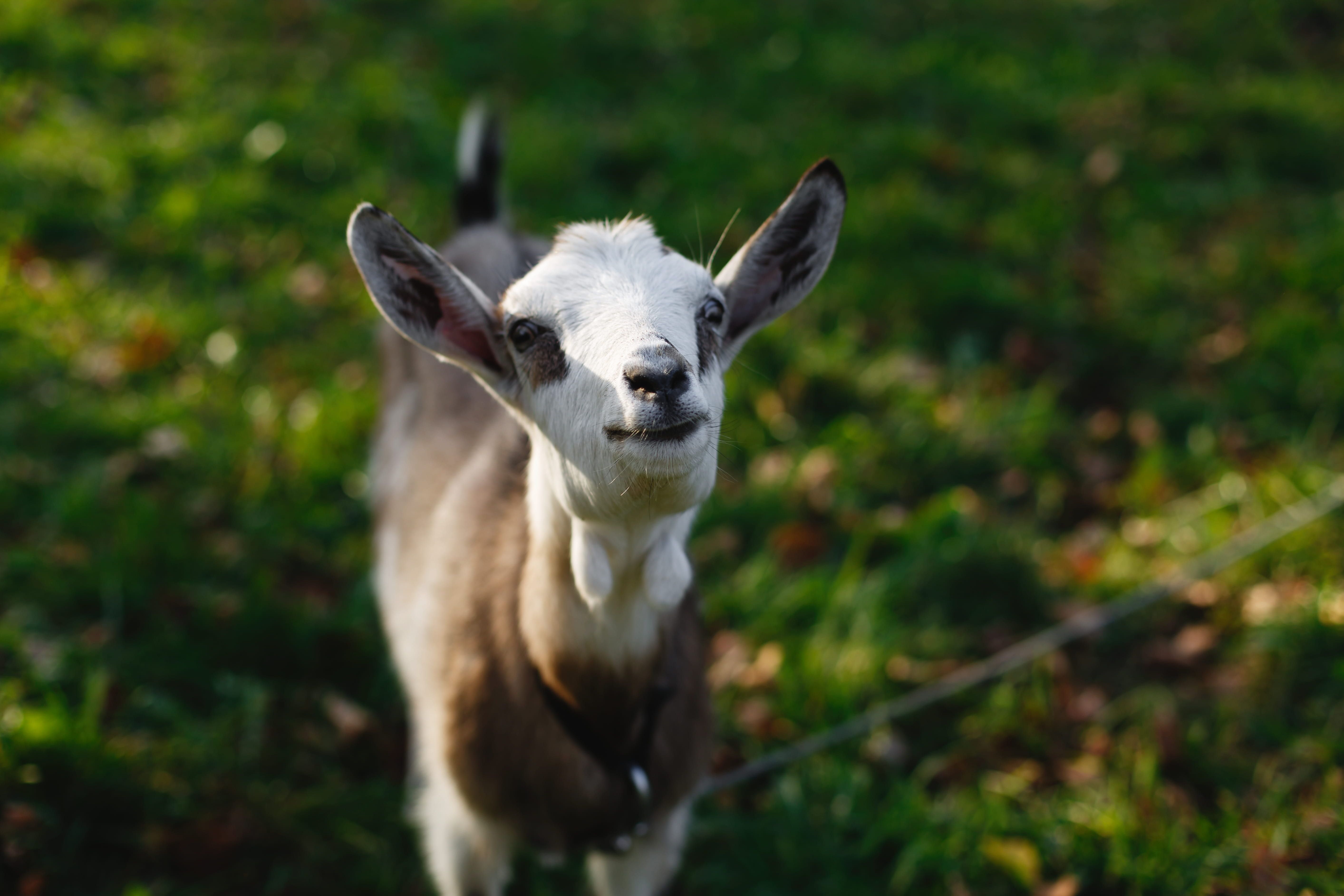
Canadian Pygmy Goat: Fascinating Facts About This Tiny Goat Breed
Oct 23, 2026Read more

Best Places to Visit in Munnar: 7 Must-Visit Attractions
Oct 16, 2026Read more
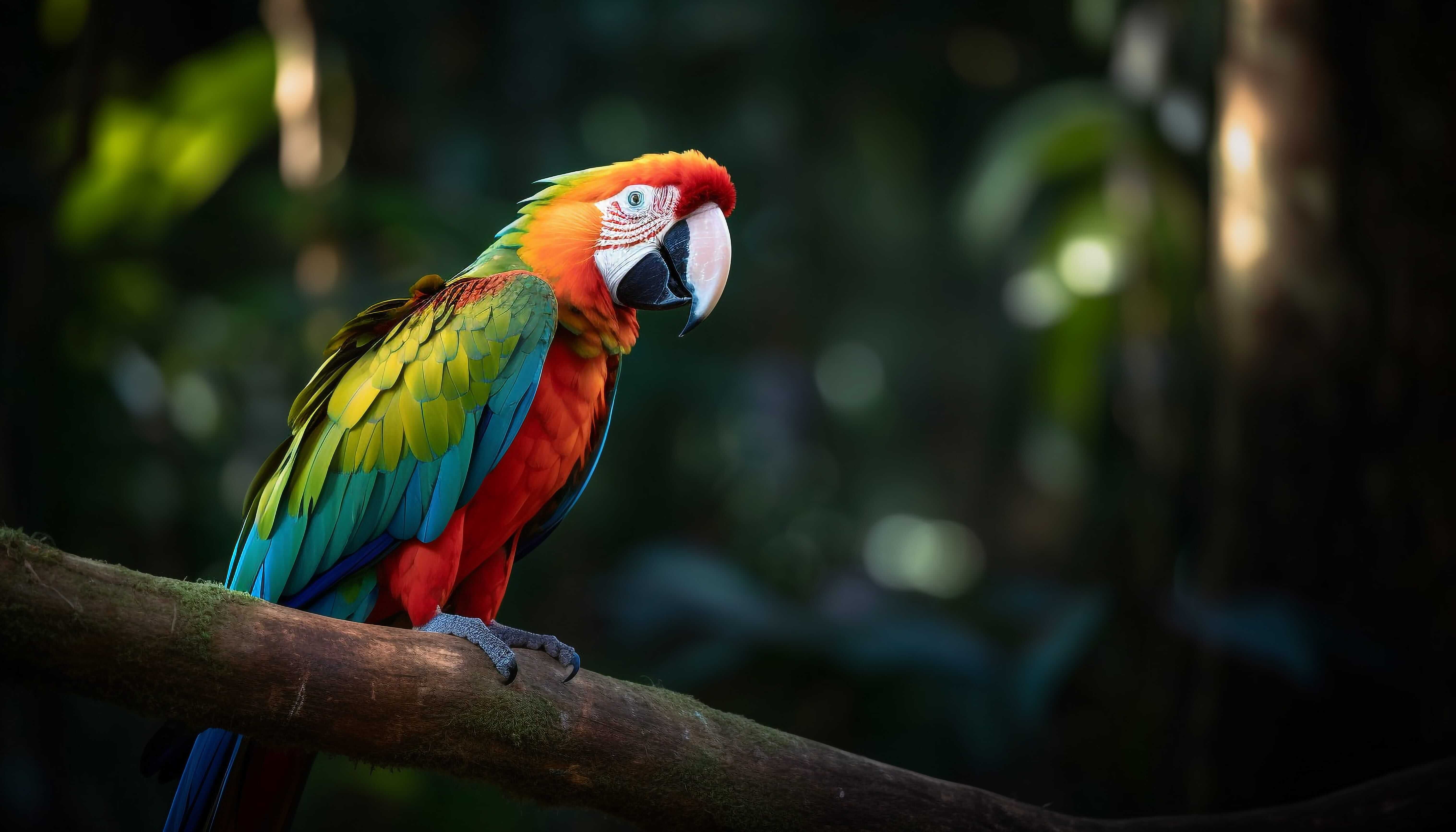
Green-Winged Macaw: Fascinating Facts About This Majestic Parrot
Oct 7, 2026Read more
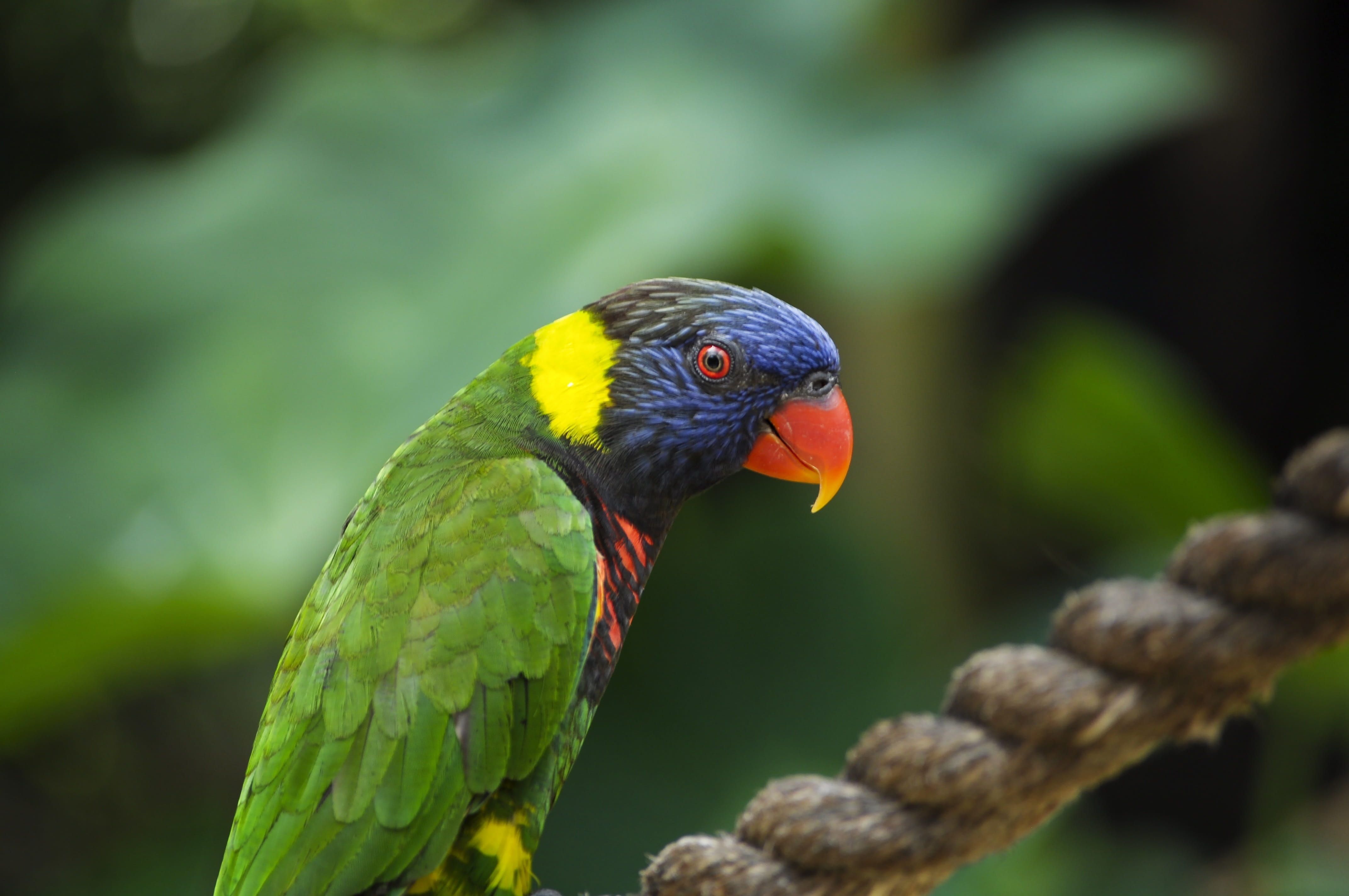
Black-Capped Lory: Fascinating Facts About This Colourful Parrot
Oct 7, 2026Read more
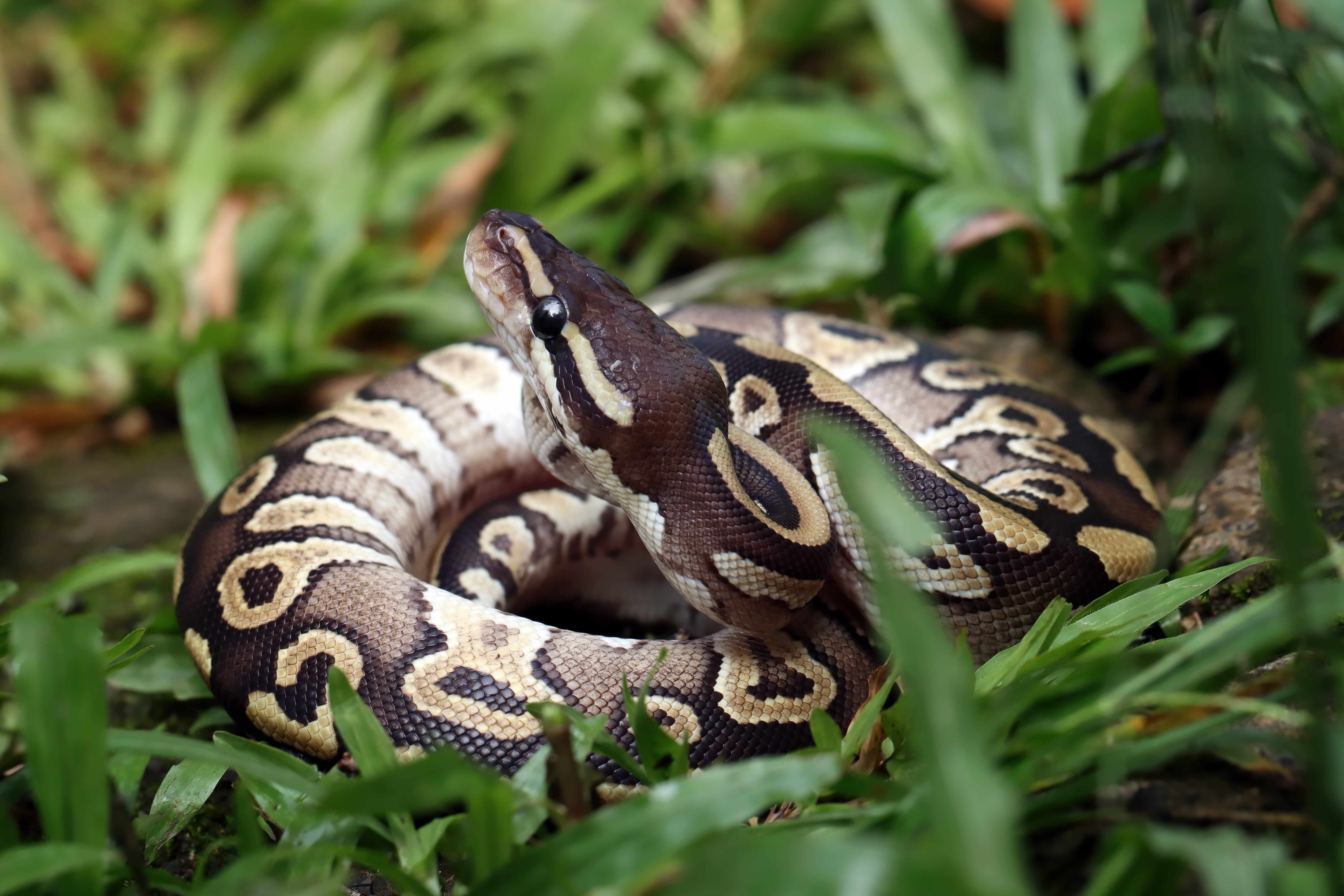
Ball Python: Fascinating Facts About This Remarkable Snake
Oct 7, 2026Read more

READY TOEXPLOREWith Us
Contact us now !