

Oct 12, 2026
German Angora Rabbit: Fascinating Facts About This Fluffy Breed
With its incredibly soft, fluffy coat and gentle appearance, the German Angora Rabbit is one of the most distinctive domestic rabbit breeds. Known for its impressive wool production, long fur, and charming appearance, this rabbit is fascinating to learn about.
German Angora Rabbits are specially bred for their dense wool, which is valued for its softness and insulating properties. Beyond their beautiful coats, these rabbits have interesting grooming requirements, dietary needs, and breeding characteristics.
If you're exploring the must visit places in Munnar, Flora & Fauna offers an opportunity to discover fascinating animals and learn more about the unique characteristics of different species.
Let's explore some interesting German Angora Rabbit facts and discover what makes this fluffy breed so special.
1. They Are Known for Their Luxurious Wool
The German Angora Rabbit is famous for its dense, soft coat, which produces valuable natural wool.
Unlike ordinary rabbit fur, Angora wool is harvested by carefully collecting the rabbit's naturally growing fibre. The wool is lightweight, warm, and soft, making it useful in the production of clothing, scarves, and other textiles.
Under suitable conditions, a German Angora Rabbit can produce approximately 2.5–4.5 pounds of wool per year, depending on its genetics, age, health, and grooming routine.
Their remarkable wool production is one of the main reasons this breed is recognised worldwide.
2. They Have Exceptionally Fluffy Coats
One of the first things people notice about a German Angora Rabbit is its thick, woolly coat.
The fur grows densely across the body, giving the rabbit a rounded and fluffy appearance. The wool may partially cover its face and ears, making it look especially distinctive.
However, this beautiful coat requires regular care. Without appropriate grooming and wool management, the fur can become tangled or matted.
Proper grooming is essential for maintaining the rabbit's comfort and coat health.
3. They Originated in Germany
As the name suggests, the German Angora Rabbit was developed in Germany.
The breed was selectively developed for its high wool yield, dense coat, and suitability for wool production. Over time, German Angoras became known for their productive fleece and specialised care requirements. They are generally recognised as a distinct Angora type rather than simply being ordinary rabbits with long fur.
Their history demonstrates how selective breeding can influence an animal's physical characteristics.
4. They Need Regular Grooming
A German Angora Rabbit's luxurious coat comes with an important responsibility: regular grooming.
Their wool continues to grow and can become tangled if it is not maintained. Depending on the individual rabbit and its coat, grooming may include careful brushing, combing, and periodic wool harvesting.
Regular grooming helps prevent painful mats and reduces the risk of rabbits ingesting excessive amounts of wool while grooming themselves.
Because of their specialised coat, German Angora Rabbits need more grooming attention than many short-haired rabbit breeds.
5. They Are Herbivores
German Angora Rabbits are herbivores, meaning their diet consists of plant-based foods.
A suitable diet generally includes: • Hay: The foundation of a healthy rabbit diet, supporting digestion and dental health. • Fresh leafy greens: Suitable greens can provide variety and additional nutrients. • Rabbit pellets: A measured portion of appropriate, high-quality pellets can help meet nutritional requirements. • Fresh water: Clean drinking water should always be available.
Fresh greens may include suitable leafy vegetables and herbs, such as fennel leaves, introduced in appropriate quantities.
Hay should remain the main component of their diet, while vegetables and pellets should be provided according to the rabbit's age, health, and nutritional needs.
6. They Are Gentle and Social Animals
Rabbits are generally quiet animals that communicate through body language and subtle behaviours.
A rabbit may show curiosity by exploring its surroundings, standing on its hind legs, or gently nudging familiar objects. Relaxed posture and comfortable resting positions can indicate that a rabbit feels safe.
German Angora Rabbits can make fascinating animals to observe because of their gentle appearance and natural behaviours.
As with other rabbits, they benefit from a suitable environment, opportunities to explore, and careful, respectful handling.
7. They Can Breed Multiple Times a Year
German Angora Rabbits can reproduce several times a year under suitable conditions.
Female rabbits are capable of becoming pregnant again soon after giving birth, although responsible breeding requires careful planning and adequate recovery time.
Breeding should always consider the health, age, genetics, and welfare of the animals. Frequent reproduction without appropriate care can place unnecessary strain on the mother.
Responsible rabbit breeding prioritises the well-being of both the adult rabbits and their offspring.
8. They Can Live for Several Years
With appropriate care, German Angora Rabbits can live for approximately 7–12 years, although lifespan varies between individuals.
Their long-term health depends on several factors, including: • A balanced, fibre-rich diet • Clean living conditions • Regular grooming • Exercise and enrichment • Routine veterinary care • Protection from excessive heat
Their thick coats make temperature management particularly important in warm climates.
9. Their Wool Requires Specialised Care
German Angora Rabbits need more than occasional brushing to maintain their coats.
Their dense wool must be managed carefully to prevent matting, overheating, and other coat-related problems. Regular inspection is particularly important around areas where fur can become tangled.
Wool harvesting should be carried out using appropriate techniques that avoid injuring or distressing the rabbit.
Responsible care focuses on the animal's comfort and health rather than wool production alone.
Why Are German Angora Rabbits So Fascinating?
German Angora Rabbits are distinctive because of their combination of appearance and specialised characteristics.
They are: • Known for their exceptionally soft wool • Recognised for their dense, fluffy coats • Developed in Germany • Herbivorous animals • Dependent on regular grooming • Capable of producing several pounds of wool annually • Able to reproduce multiple times a year • Capable of living for several years with appropriate care
Their wool production and grooming needs make them particularly interesting among domestic rabbit breeds.
Discover German Angora Rabbits at Flora & Fauna
At Flora & Fauna, visitors can discover fascinating animals and learn more about the diversity of the animal kingdom. The German Angora Rabbit is a wonderful example of how selective breeding can create distinctive physical characteristics. Its dense coat, impressive wool production, and specialised grooming requirements make it an interesting animal for visitors of different ages.
If you're planning a trip and searching for must visit places in Munnar, Flora & Fauna offers a different kind of experience for families, children, and animal enthusiasts.
Beyond enjoying the natural beauty of the Munnar region, visitors can explore fascinating animals and learn about their unique traits, habitats, and care requirements.
Make Flora & Fauna part of your Munnar itinerary and discover the wonderful world of animals.
FREQUENTLY ASKEDQuestions
It is a long established fact that a reader will be distracted by the readable content of a page when looking at its layout.
RELATED Blogs
View all blogsOct 7, 2026Read more
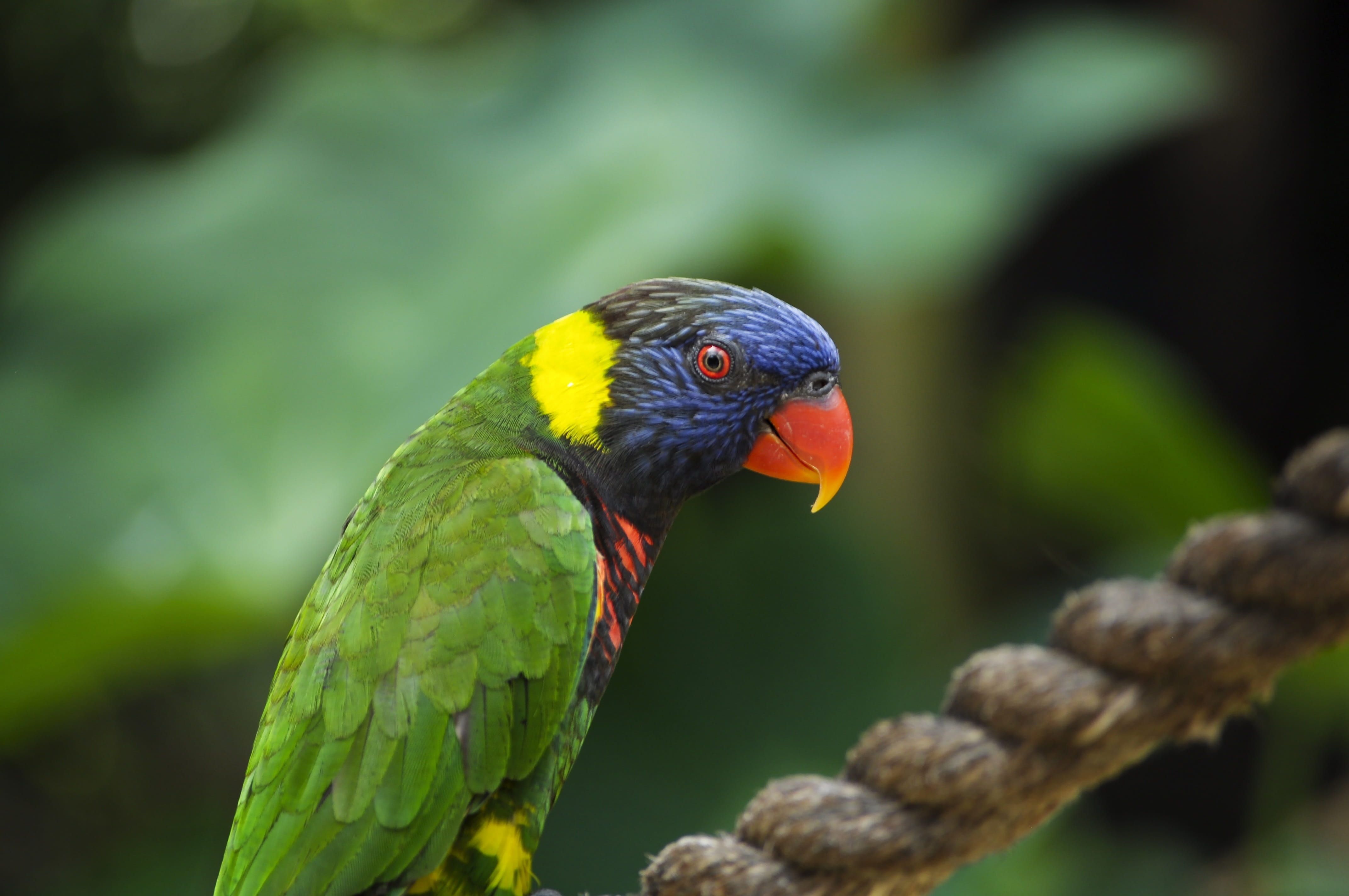
Black-Capped Lory: Fascinating Facts About This Colourful Parrot
Oct 7, 2026Read more
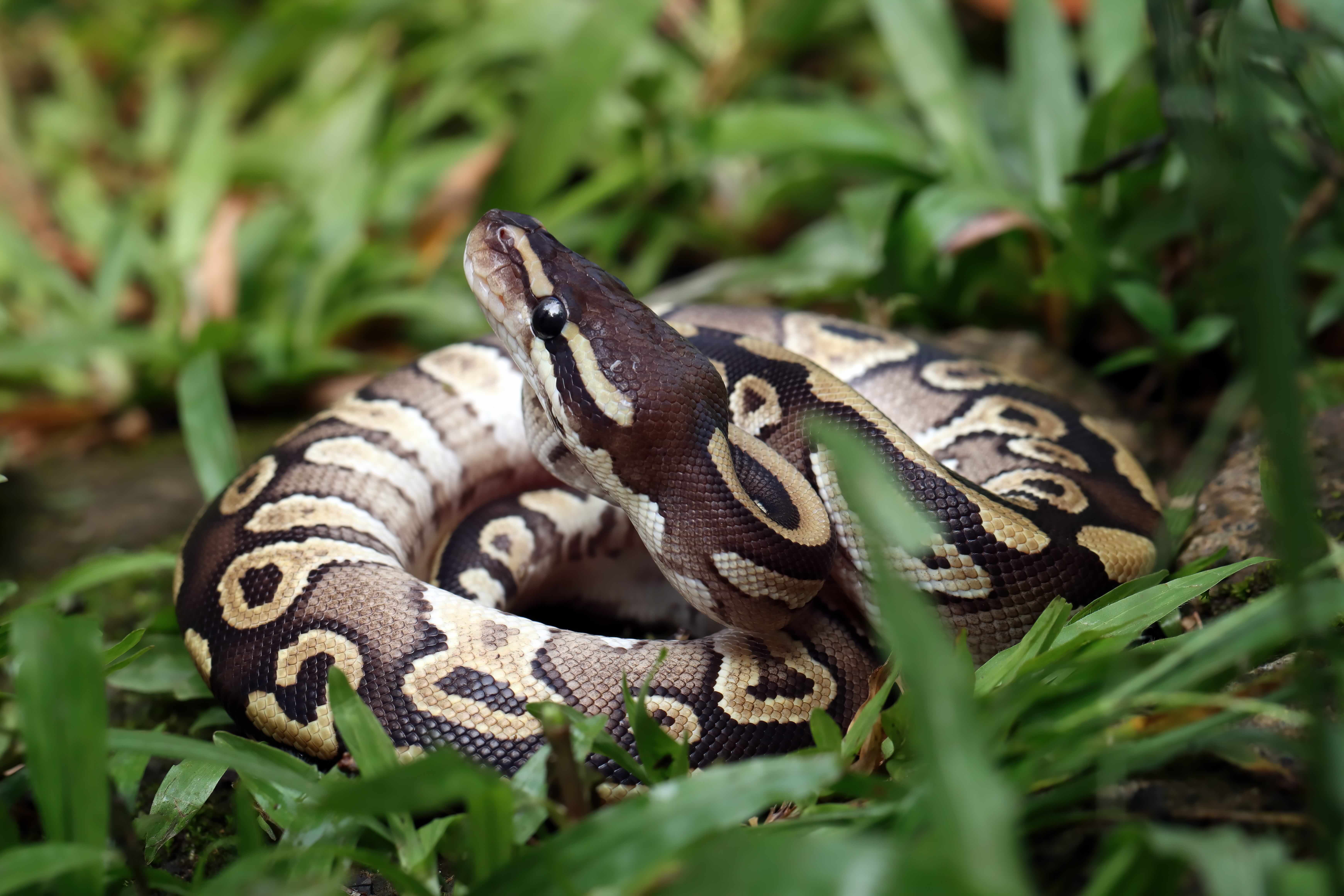
Ball Python: Fascinating Facts About This Remarkable Snake
Oct 7, 2026Read more
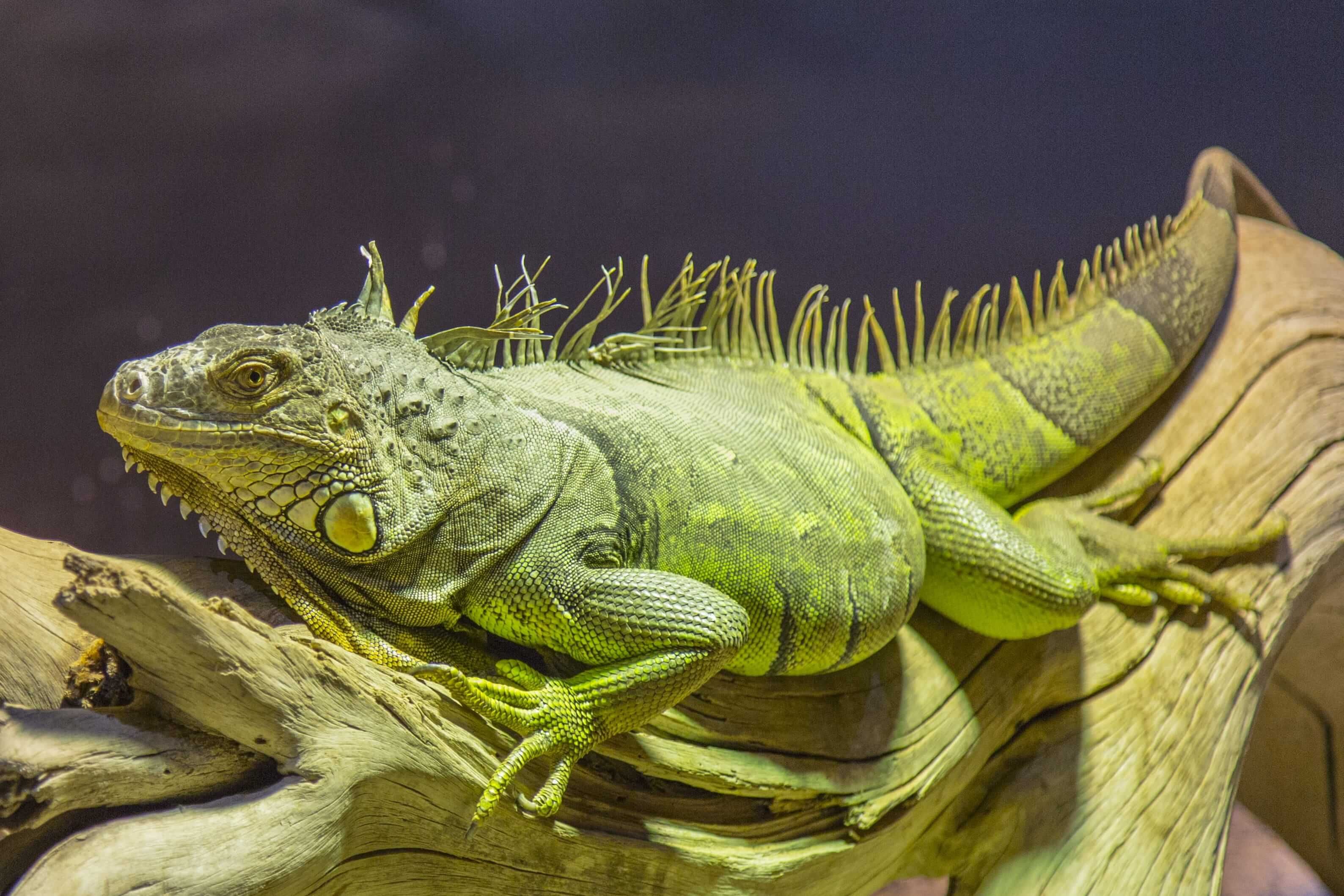
Green and Red Iguana: Fascinating Facts About These Colourful Reptiles
Oct 7, 2026Read more
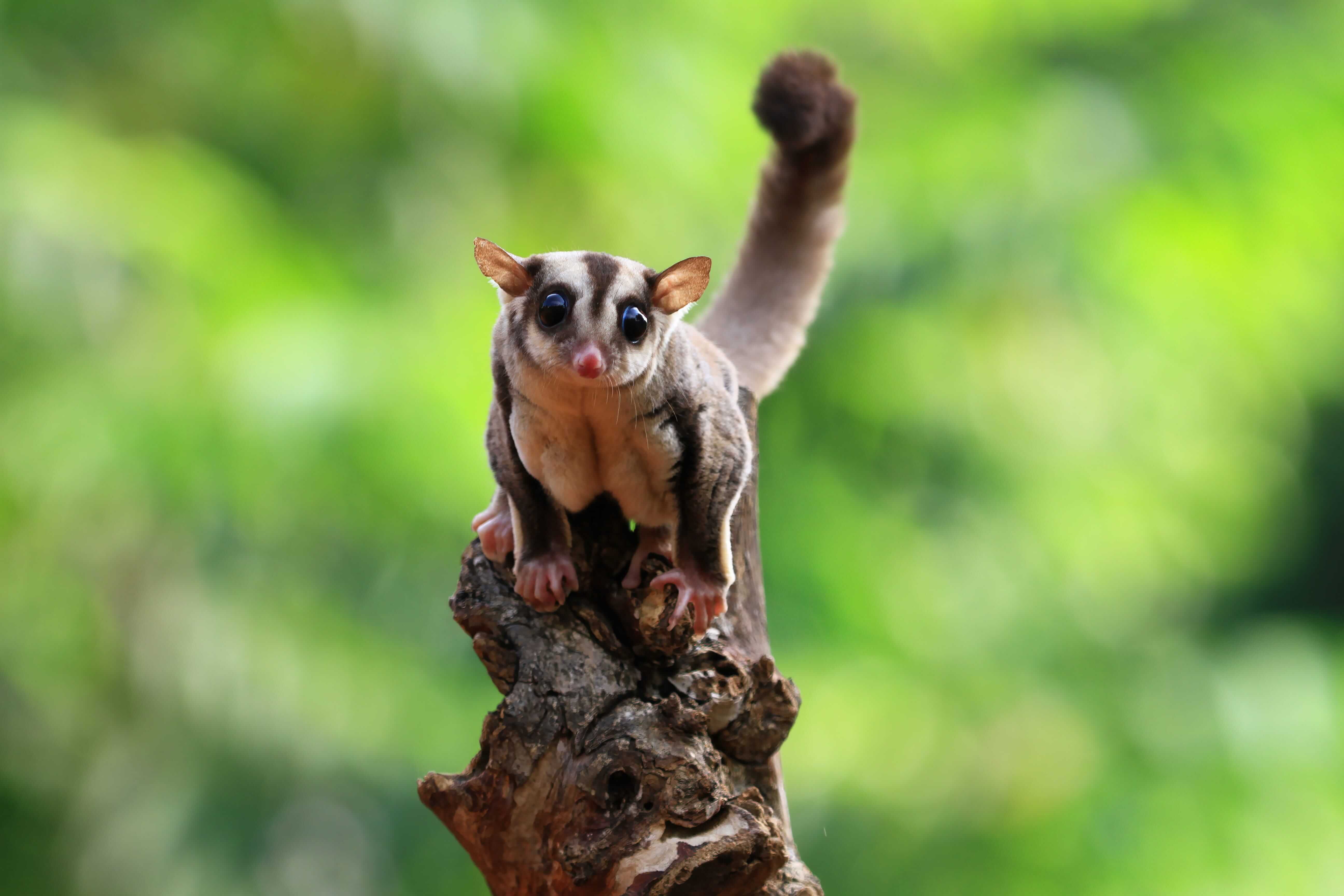
Sugar Glider: Fascinating Facts About This Tiny Gliding Mammal
Oct 7, 2026Read more
Gray Parrot: Fascinating Facts About One of the World's Most Intelligent Birds
Oct 5, 2026Read more
READY TOEXPLOREWith Us
Contact us now !