
Oct 7, 2026
Sugar Glider: Fascinating Facts About This Tiny Gliding Mammal
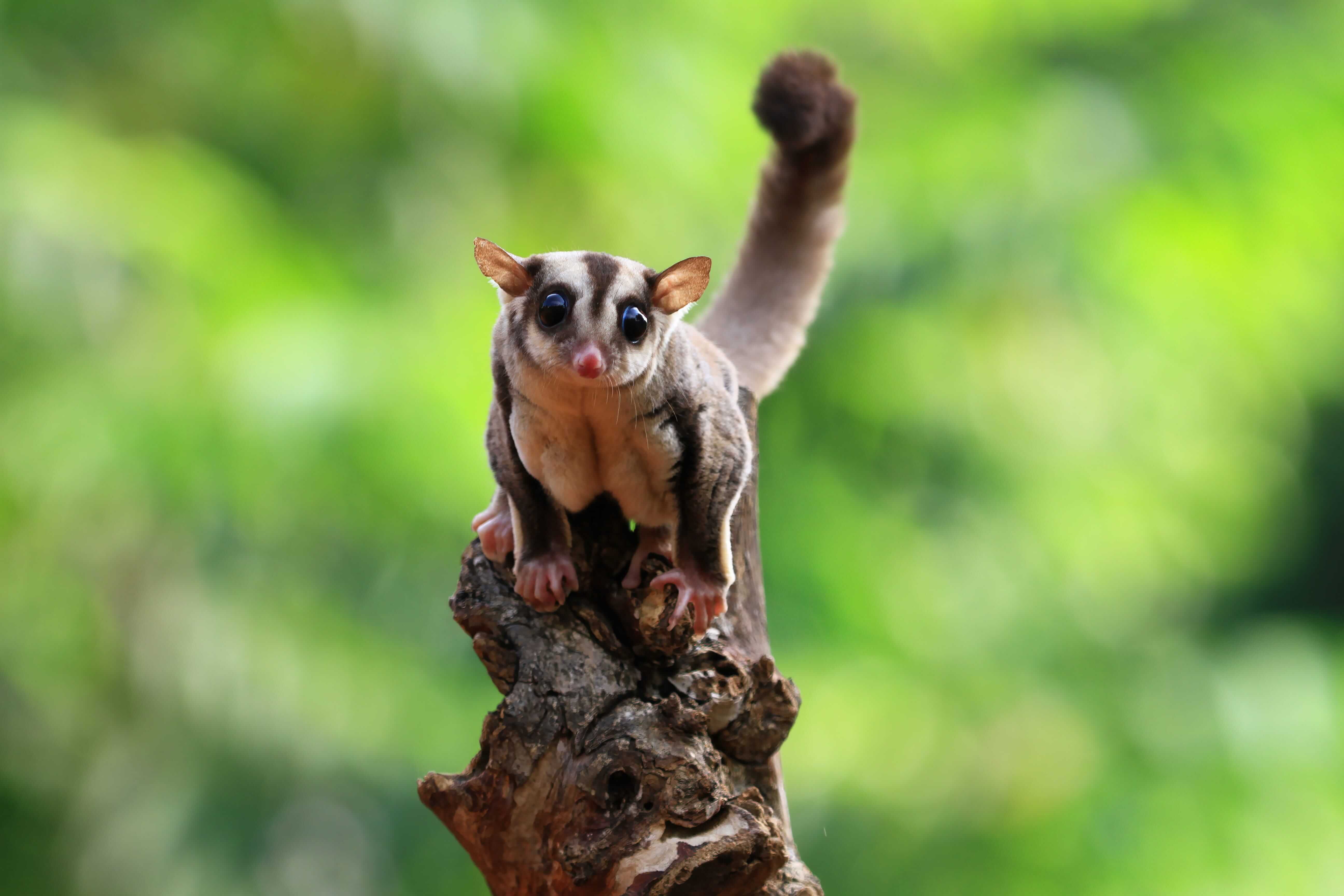
Small, adorable, and surprisingly athletic, the Sugar Glider is one of the most fascinating small mammals you can encounter. With large eyes, soft fur, a long tail, and a unique membrane that allows it to glide through the air, this remarkable animal has several adaptations that make it truly special.
If you are exploring the must visit places in Munnar, Flora & Fauna offers an experience that goes beyond the region's famous mountains, tea plantations, and scenic viewpoints. Visitors can discover fascinating animals such as Sugar Gliders while learning about the unique characteristics that make every species special.
Sugar Gliders are native to Australia and New Guinea, where they live primarily in forested environments. They are nocturnal animals and spend much of their time climbing trees, searching for food, interacting with their group, and gliding between branches.
Here are some fascinating Sugar Glider facts you should know.
1. Sugar Gliders Can Glide Through the Air
One of the most remarkable characteristics of a Sugar Glider is its ability to glide.
Unlike birds and bats, Sugar Gliders do not actually fly. Instead, they use a thin membrane of skin called a patagium, which stretches between their wrists and ankles.
When a Sugar Glider leaps from a tree, it extends its limbs and spreads this membrane, allowing it to glide through the air.
Under favourable conditions, a Sugar Glider can glide up to around 50 metres in a single stretch.
This remarkable adaptation allows them to move efficiently between trees without having to climb all the way down to the ground.
2. Female Sugar Gliders Have a Pouch
One of the most fascinating characteristics of female Sugar Gliders is their pouch.
Sugar Gliders are marsupials, which means their young are born at a very early stage of development and continue developing inside the mother's pouch.
After birth, the tiny young make their way to the pouch, where they attach to a teat and continue growing.
The pouch provides a protected environment during this important stage of development.
This is one of the characteristics that makes Sugar Gliders particularly interesting compared with many other small mammals.
3. They Are Native to Australia and New Guinea
Sugar Gliders naturally occur in parts of Australia and New Guinea.
They are adapted to forest environments where trees provide food, shelter, and opportunities for climbing and gliding.
Their ability to move between trees is particularly useful in these habitats, allowing them to travel through the forest canopy efficiently.
4. They Are Excellent Climbers
Sugar Gliders spend much of their lives in trees.
Their sharp claws and strong limbs help them climb tree trunks and branches with ease. Their long tail also helps with balance while moving through the canopy.
They can jump from branches, glide through the air, and land on another tree before continuing their journey.
Their climbing and gliding abilities make them highly specialised for an arboreal lifestyle.
5. Their Large Eyes Help Them at Night
Sugar Gliders are primarily nocturnal, meaning they are most active during the night.
Their large eyes help them see in low-light conditions while they move through the forest after dark.
During the daytime, they typically rest in sheltered locations such as tree hollows or nests.
Their nocturnal lifestyle helps them take advantage of food sources that are available at night while avoiding the heat and activity of the daytime.
6. They Have a Varied Diet
Despite their small size, Sugar Gliders have a varied diet.
In the wild, they can feed on: • Fruits • Nectar • Tree sap • Insects • Small animals • Other plant material
Their diet can change depending on seasonal food availability.
In managed environments, their nutritional needs require a carefully balanced diet. Suitable fruits and vegetables can be combined with appropriate protein sources and high-quality supplements according to their individual requirements.
7. They Are Highly Social Animals
Sugar Gliders are social animals and naturally live in groups.
They communicate using a combination of vocalisations, body language, scent marking, and physical contact.
They may groom one another, sleep together, and maintain close social relationships within their group.
Their social behaviour is an important part of their natural lifestyle and overall well-being.
8. Their Name Comes From Their Diet and Gliding Ability
The name "Sugar Glider" describes two of the animal's most recognisable characteristics.
The word "sugar" refers to their preference for sweet foods such as nectar and tree sap, while "glider" refers to their remarkable ability to glide between trees.
Together, the name perfectly captures two of their most distinctive traits.
9. Their Long Tail Helps With Balance
A Sugar Glider's tail can be almost as long as, or longer than, its body.
The tail helps provide balance and stability while climbing and moving through branches.
During gliding, it can also assist with steering and controlling body position.
Combined with their patagium, the tail helps Sugar Gliders navigate efficiently through the forest canopy.
10. They Can Live for More Than a Decade
Sugar Gliders can have a relatively long lifespan for such small mammals.
With appropriate nutrition, veterinary care, social interaction, and suitable living conditions, they can live for approximately 12–15 years in human care.
This means caring for a Sugar Glider is a long-term responsibility that requires consistent attention to its physical and social needs.
11. Sugar Gliders at Flora & Fauna
At Flora & Fauna, visitors can discover four pairs of Sugar Gliders, including Albino and Black colour variations.
These small mammals are particularly interesting to observe because of their distinctive appearance, active nature, climbing abilities, and unique gliding adaptation.
Seeing them in person provides visitors with an opportunity to learn more about marsupials and the remarkable ways animals have adapted to their environments.
Why Are Sugar Gliders So Fascinating?
Sugar Gliders may be tiny, but they have some extraordinary abilities.
They are: • Remarkable gliding mammals • Native to Australia and New Guinea • Nocturnal animals • Excellent climbers • Highly social • Marsupials with a pouch • Omnivorous • Equipped with a specialised gliding membrane • Capable of living for around 12–15 years
Their ability to glide between trees is perhaps their most spectacular adaptation, but their social behaviour, nocturnal lifestyle, and reproductive biology make them equally fascinating.
Flora & Fauna: One of the Must Visit Places in Munnar
Munnar is famous for its rolling tea plantations, mist-covered hills, waterfalls, viewpoints, and rich natural beauty. But the destination also offers experiences for visitors who want to explore the animal world.
For families, children, and wildlife enthusiasts looking for must visit places in Munnar, Flora & Fauna offers an opportunity to discover a variety of fascinating animals in one destination.
From Sugar Gliders and colourful birds to reptiles and other exotic animals, visitors can learn about different species and the remarkable adaptations that help them survive.
Adding Flora & Fauna to your Munnar itinerary can make your trip more diverse, educational, and memorable.
Discover Sugar Gliders at Flora & Fauna
At Flora & Fauna, visitors can discover fascinating animals from different parts of the world and learn how their unique characteristics help them survive.
The Sugar Glider is a perfect example of nature's creativity. Its ability to glide through the forest, specialised pouch, large eyes, long tail, and social lifestyle all demonstrate how perfectly adapted this tiny mammal is to life among the trees.
Whether you're visiting Munnar with family, friends, or young wildlife enthusiasts, discovering Sugar Gliders can be an exciting and educational experience.
If you're planning your itinerary and searching for the must visit places in Munnar, add Flora & Fauna to your list for a memorable wildlife experience.
Come closer to nature, discover fascinating mammals, and explore the incredible diversity of the animal kingdom at Flora & Fauna.
FREQUENTLY ASKEDQuestions
It is a long established fact that a reader will be distracted by the readable content of a page when looking at its layout.
RELATED Blogs
View all blogsOct 7, 2026Read more
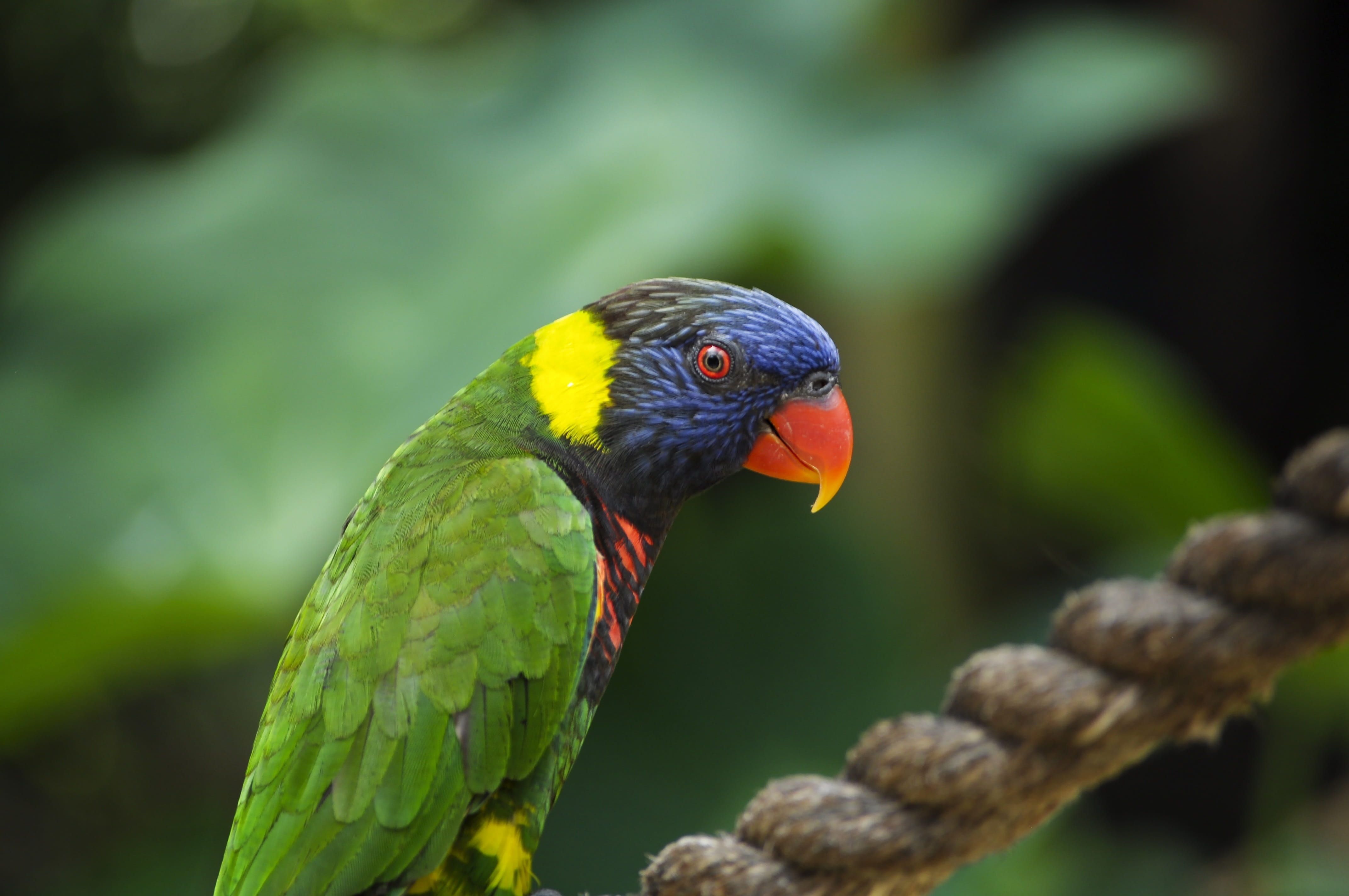
Black-Capped Lory: Fascinating Facts About This Colourful Parrot
Oct 7, 2026Read more
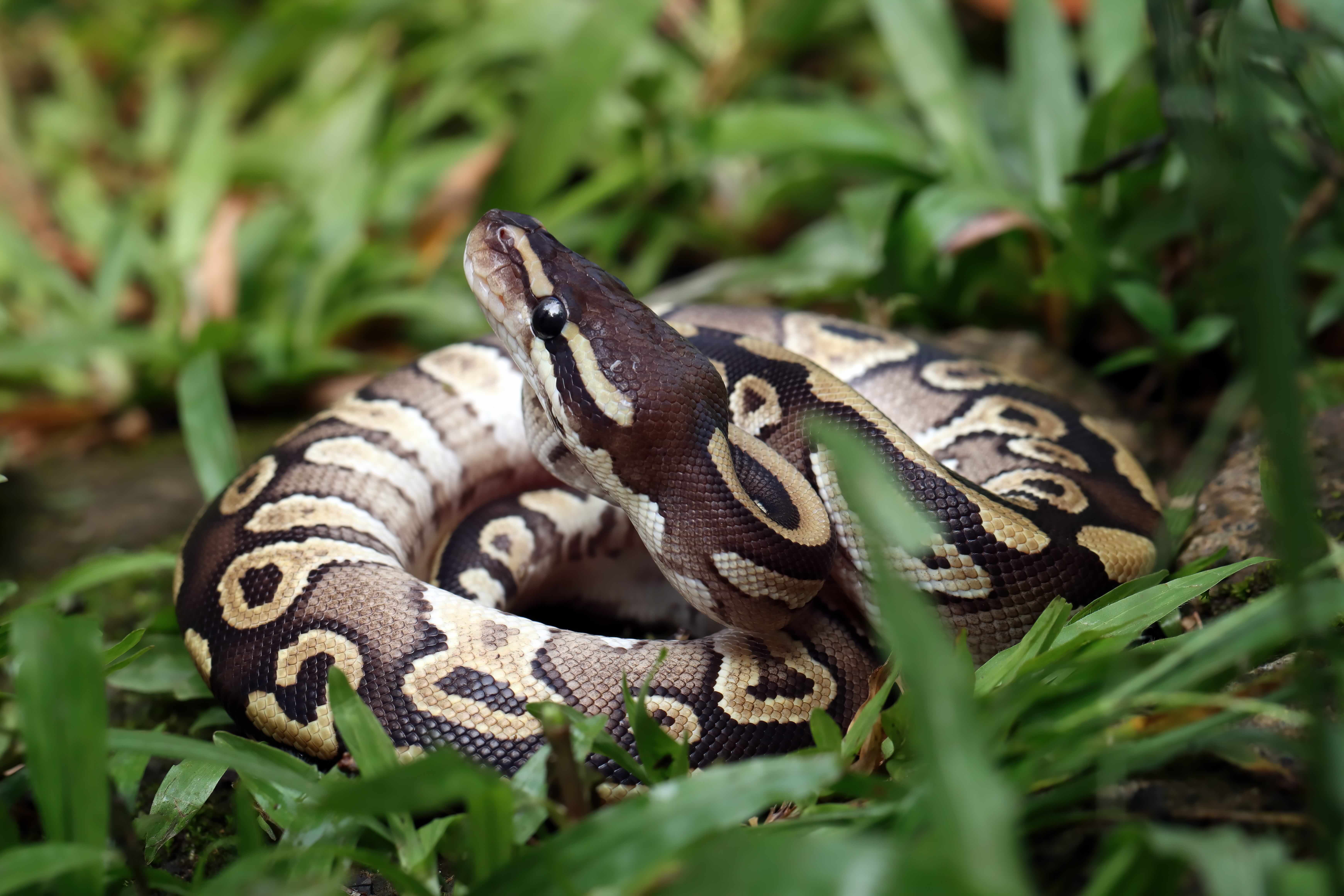
Ball Python: Fascinating Facts About This Remarkable Snake
Oct 7, 2026Read more
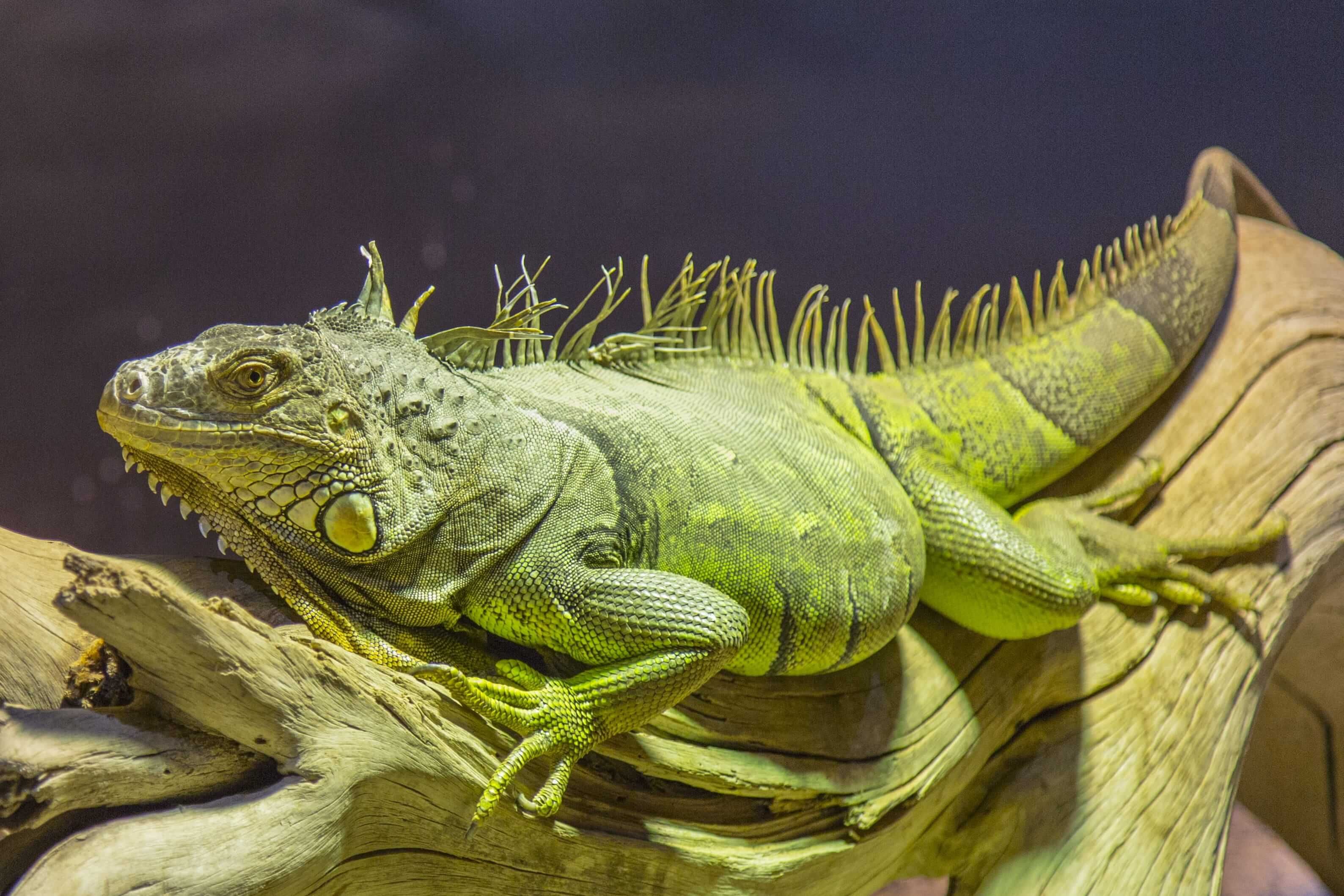
Green and Red Iguana: Fascinating Facts About These Colourful Reptiles
Oct 7, 2026Read more
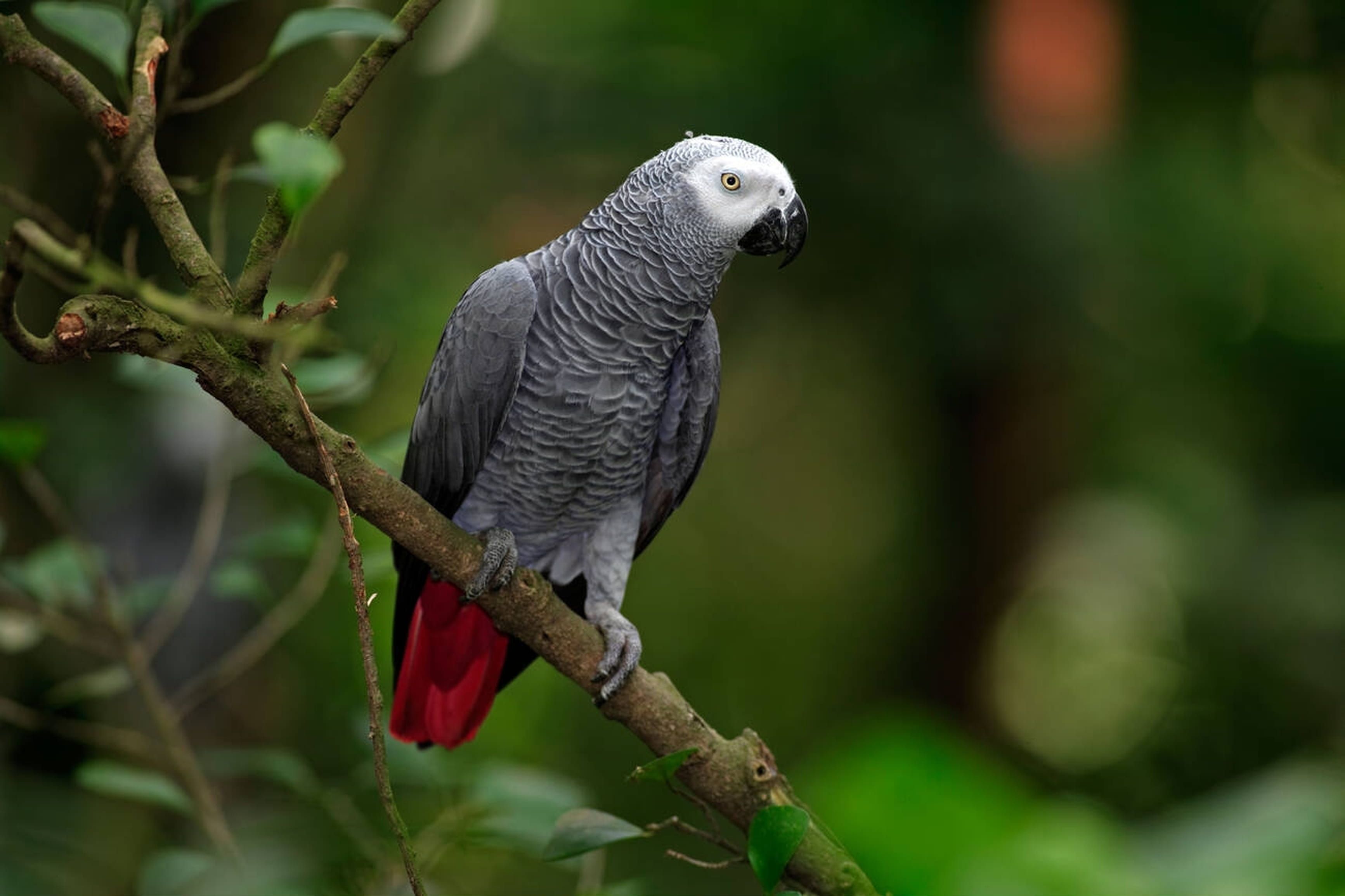
Gray Parrot: Fascinating Facts About One of the World's Most Intelligent Birds
Oct 5, 2026Read more
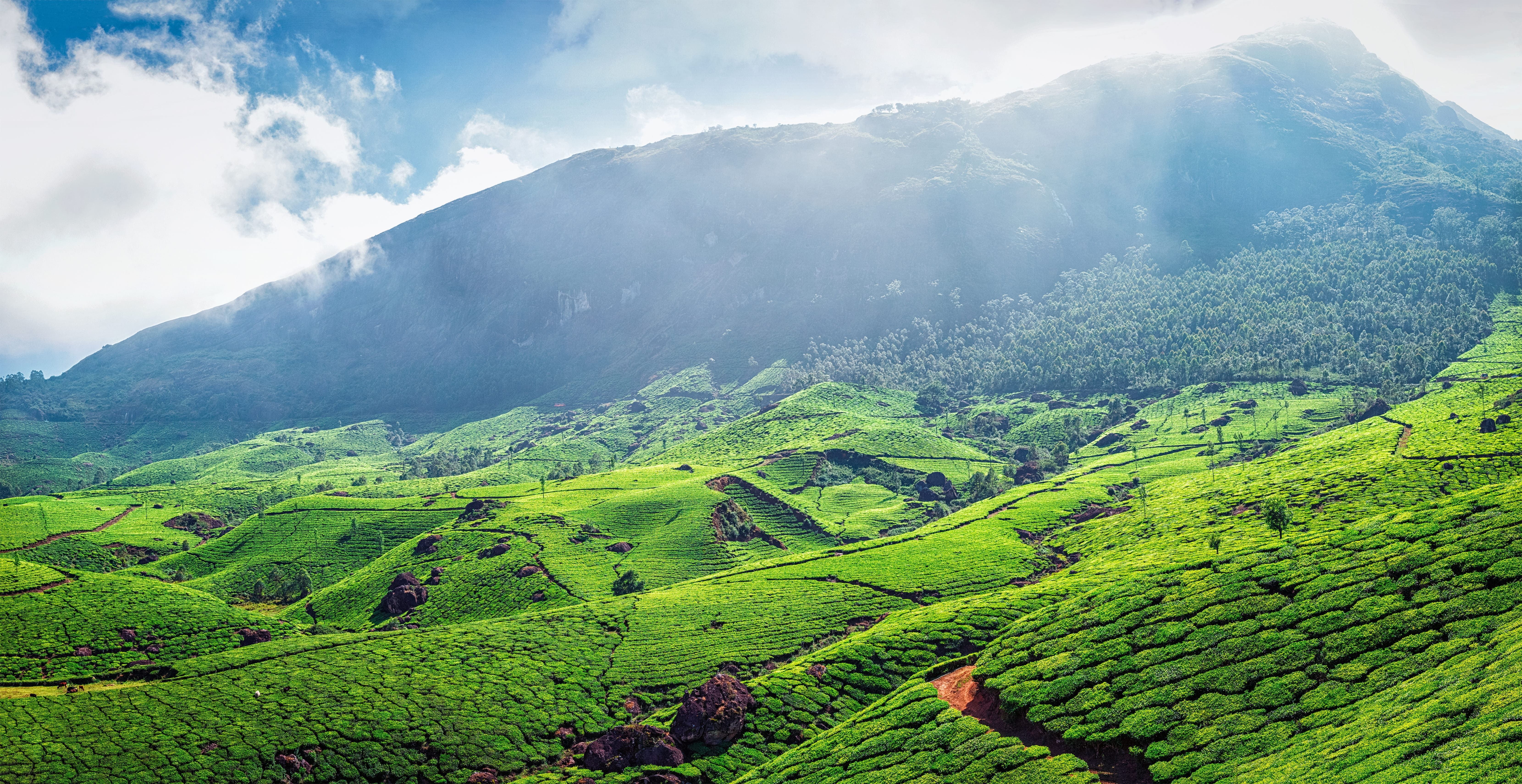
7 Best Places to Visit in Munnar for an Unforgettable Holiday
Sep 25, 2026Read more
READY TOEXPLOREWith Us
Contact us now !