

Jul 30, 2026
Ultimate Nature Guide: Top Wildlife and Scenic Attractions in Munnar
Nestled high in the Western Ghats of Kerala, Munnar is a haven where misty mountain peaks, lush tea gardens, and vibrant ecosystems meet. For travelers eager to disconnect from urban bustle and reconnect with the wild, exploring the pristine nature attractions in Munnar offers an unforgettable retreat. From rare wildlife species thriving in protected sanctuaries to sweeping valleys filled with native flora, this hill station is a paradise for eco-tourists and outdoor photographers alike.
Here is your comprehensive guide to the top nature spots that highlight Munnar’s spectacular flora, fauna, and panoramic views.
1. Eravikulam National Park: Sanctuary of the Nilgiri Tahr
As one of the most famous nature attractions in Munnar, Eravikulam National Park spans 97 square kilometers of rolling grasslands and high-altitude shola forests. The park is globally renowned as the primary habitat of the endangered Nilgiri Tahr, a stocky wild mountain goat endemic to the Western Ghats. Walking along the Rajamalai trail gives visitors a rare chance to spot these agile creatures grazing along steep rocky cliffs.
In addition to its wildlife, Eravikulam is the epicenter for the legendary Neelakurinji (Strobilanthes kunthiana) bloom. This unique shrub carpets the hillsides in a breathtaking sea of blue and purple once every twelve years. The park also houses Anamudi Peak—South India’s highest elevation at 2,695 meters—providing a majestic backdrop for nature walks.
2. Chinnar Wildlife Sanctuary: A Hotspot for Rare Fauna
Located about 48 kilometers from the main town in the rain-shadow region of the Western Ghats, Chinnar Wildlife Sanctuary offers a dramatically different ecosystem. Unlike the misty, moisture-laden slopes of central Munnar, Chinnar features dry deciduous forests, thorny scrub, and riparian woodlands.
This distinct climate makes it one of the premier wildlife attractions in Munnar for nature enthusiasts. Chinnar is home to the endangered Grizzled Giant Squirrel, the Star Tortoise, Indian leopards, and herds of wild elephants. Guided nature trekking routes along the Pambar River reveal rich birdlife—including the Spot-billed Pelican and Fish Owl—and medicinal plant species documented across native tribal settlements.
3. Top Station and Gap Road: Unrivaled Scenic Panoramas
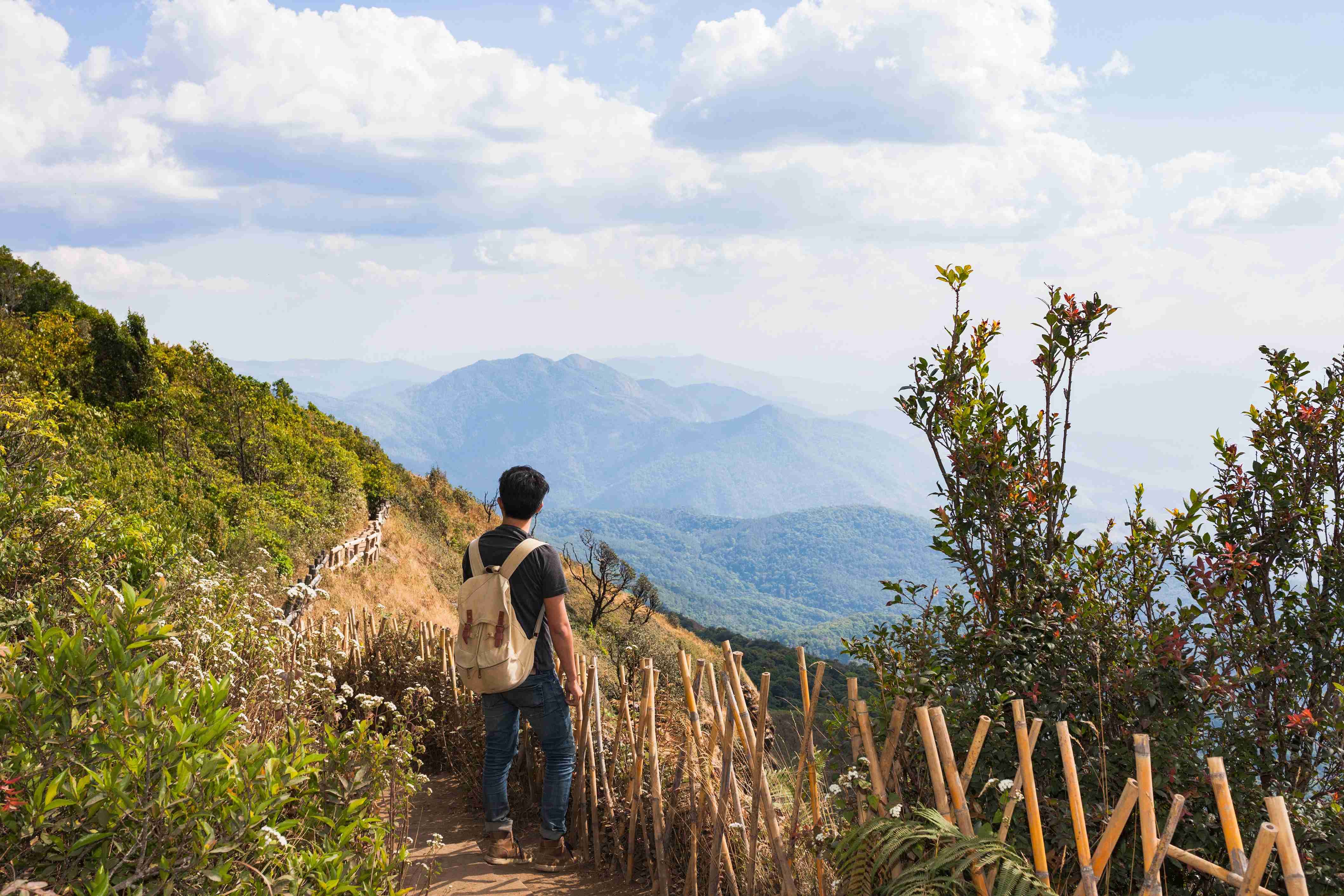
When scouting for scenic attractions in Munnar, Top Station and Gap Road (Lockhart Gap) sit at the top of the list. Positioned at an elevation of over 1,700 meters on the Kerala-Tamil Nadu border, Top Station historically served as the uppermost transshipment point for tea grown in the valley. Today, it provides a 360-degree vantage point over the sweeping Western Ghats mountain ranges, where clouds drift softly beneath your feet.
Nearby, Gap Road winds past vertical rock faces and dense valleys, offering views of Bison Valley—a habitat frequented by wild Indian gaur. Early morning visits reward travelers with incredible sunrise vistas, crisp mountain air, and dramatic photography conditions as mist lifts off the tea slopes.
4. Mattupetty Dam and Kundala Lake: Where Waterways Meet Shola Forests
Water bodies flanked by dense forests create critical wildlife corridors across Idukki. Mattupetty Dam and nearby Kundala Lake are prime examples of this harmonious balance. The still reservoir waters reflect surrounding pine forests and rolling tea gardens, while the adjacent woods host herds of Asian elephants that frequently come down to drink. Beyond elephant watching, the area surrounding Kundala Dam is home to native cherry blossom trees that bloom twice a year, as well as a variety of orchid species. Exploring these calm reservoirs by pedal boat or traditional shikara creates some of the most tranquil attractions in Munnar.
5. Attukal Waterfalls and Sprawling Spice Plantations
No exploration of Munnar's flora is complete without venturing into its spice and tea ecosystems. Tucked between Munnar and Pallivasal, Attukal Waterfalls thunders through lush green jungles, surrounded by wild ferns, cardamom pods, and moss-covered trees. The damp microclimate around the cascade fosters thriving plant diversity and colorful butterfly species.
A short drive through nearby estates reveals cardamom, pepper, and cinnamon growing under the canopy of native silver oak trees. Guided plantation walks give visitors insight into how shade-grown spices preserve soil health and sustain regional bird populations.
Responsible Travel Tips for Nature Enthusiasts
Visiting these biological attractions in Munnar comes with a responsibility to safeguard fragile ecosystems. To protect the local flora and fauna: - Stay on Designated Trails: Prevent soil erosion and avoid disturbing wildlife habitats. - Maintain Safe Distances: Never feed or approach wild animals, especially elephants or Nilgiri Tahrs. - Zero Plastic Waste: Pack out all non-biodegradable waste to preserve pristine forest floors.
Conclusion
Munnar’s rich biodiversity and jaw-dropping landscapes make it a standout destination for eco-conscious travelers. Whether you are tracing the steps of the Nilgiri Tahr at Eravikulam, photographing rare birds in Chinnar, or gazing at the clouds from Top Station, the region offers endless wonder. Plan your trip today to discover why these natural attractions in Munnar continue to captivate nature lovers from around the globe!
FREQUENTLY ASKEDQuestions

Flora & Fauna seamlessly blends the raw thrill of outdoor exploration with calm, interactive eco-tourism experiences.

RELATED Blogs
View all blogsSep 6, 2026Read more
Meet the Squirrel Monkey: Fascinating Facts About One of Nature’s Most Curious Primates
Sep 6, 2026Read more
Munnar Without the Traffic: The Best Places to Visit in Munnar by Route & Activity
Aug 26, 2026Read more
From Petting Aviaries to Misty Peaks: The Absolute Best Places to Visit in Munnar
Aug 26, 2026Read more
Best Places to Visit in Munnar: The Complete Route-by-Route Travel Guide
Aug 26, 2026Read more
Best Places to Visit in Munnar: 7 Experiential Spots for Families & Explorers
Aug 26, 2026Read more
READY TOEXPLOREWith Us
Contact us now !