Sep 15, 2026
Red-Handed Tamarin: Fascinating Facts About This Tiny, Agile Primate
Small in size but full of personality, the Red-Handed Tamarin is one of the most fascinating small primates you can encounter. Also known as the Golden-Handed Tamarin, this lively animal is instantly recognisable by its striking reddish-orange hands and feet.
Known for their remarkable agility, strong social bonds, unusual claws, and cooperative approach to raising young, Red-Handed Tamarins have many fascinating characteristics that make them unique among primates.
At Flora & Fauna, visitors can discover fascinating animals and learn more about the behaviours and adaptations that make every species special.
Here are some interesting Red-Handed Tamarin facts you should know.
1. Their Hands Look Like They Are Wearing Gloves
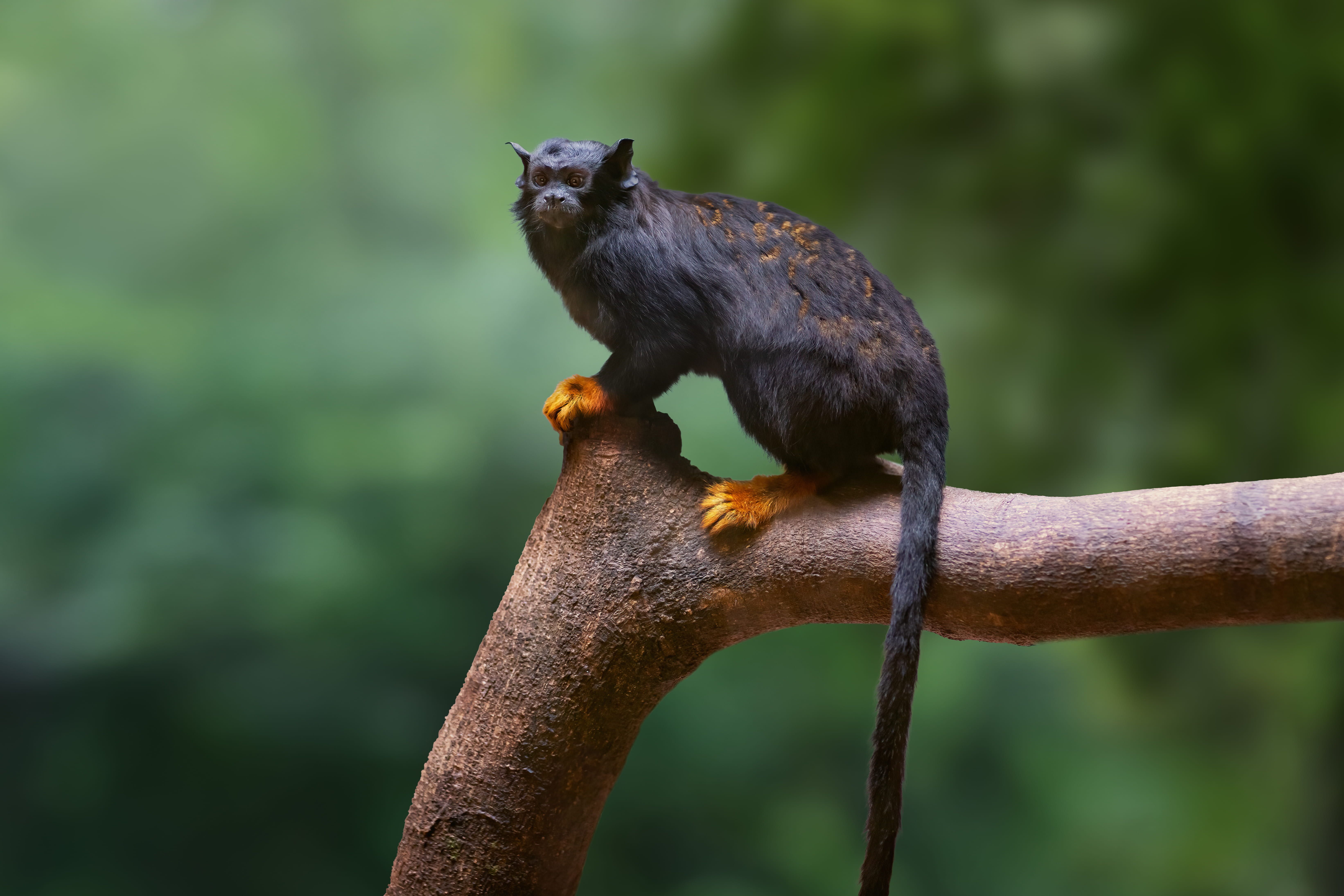
The most distinctive feature of the Red-Handed Tamarin is, of course, its hands.
Their hands and feet are covered in striking reddish-orange or golden-coloured fur, creating an appearance that looks almost like they are wearing tiny gloves. This unusual colouring is the reason they are commonly called Red-Handed Tamarins or Golden-Handed Tamarins.
Their contrasting colours make them one of the easiest tamarin species to recognise.
2. They Practise Cooperative Parenting
Raising young is not a responsibility carried by the parents alone.
Red-Handed Tamarins are known for their cooperative breeding system, where members of the social group can help care for infants. Older siblings and other members of the group may assist with carrying, grooming, protecting, and caring for young tamarins.
The mother typically gives birth to twins, and the infants spend considerable time being carried by other group members.
This cooperative approach helps the young develop while strengthening the social bonds within the group.
3. They Have Claws Instead of Typical Primate Nails
Here's another fascinating feature: Red-Handed Tamarins have claw-like nails called tegulae on most of their fingers and toes.
Unlike humans and many other primates that have flat nails, tamarins have claws that help them grip tree trunks and branches.
These specialised claws are particularly useful for an animal that spends much of its life moving through trees.
Their clawed fingers and toes, combined with their strong limbs, allow them to climb and hold onto vertical surfaces with impressive efficiency.
4. They Are Extremely Agile Tree Dwellers
Red-Handed Tamarins are highly adapted to life in the forest canopy.
They are quick, agile climbers capable of moving rapidly between branches while searching for food or avoiding potential threats. Their small body size allows them to navigate dense vegetation and reach areas that larger animals may find difficult to access.
They can move along branches, leap between vegetation, and climb tree trunks with remarkable ease.
Watching a tamarin move through its surroundings is a great reminder that size does not determine agility.
5. They Have an Omnivorous Diet
Red-Handed Tamarins are omnivores, which means their diet includes a combination of plant and animal-based foods.
Their natural diet can include: • Fruits • Insects • Small vertebrates • Flowers • Nectar • Tree exudates • Other plant materials
Their varied diet allows them to take advantage of different food sources available in their forest habitat.
They are also known to search carefully through vegetation, bark, and other parts of their environment while looking for insects and other small food items.
6. They Are Small but Highly Social
Red-Handed Tamarins may be tiny compared with many other primates, but they have a strong social nature.
They generally live in small social groups, where members interact regularly through vocalisations, body language, grooming, and other social behaviours.
Living in groups provides several advantages. Members can work together to locate food, watch for predators, care for young, and maintain social relationships.
Their social behaviour is one of the many things that makes these small primates fascinating to observe.
7. They Are Remarkably Vocal
Communication plays an important role in the lives of Red-Handed Tamarins.
They use a variety of vocalisations to communicate with other members of their group. These sounds can help maintain contact when individuals are separated by vegetation, signal potential danger, or coordinate group activities.
Their communication is especially important in the dense forest environment where visual contact can sometimes be difficult.
Along with vocal sounds, tamarins also use body movements, facial expressions, and other behaviours as part of their social communication.
8. They Are Small in Size but Can Live for More Than 20 Years
Red-Handed Tamarins are remarkably small animals. Adults generally weigh less than 500 grams, although their exact weight can vary between individuals.
Despite their tiny size, they can have a surprisingly long lifespan. In human care, Red-Handed Tamarins can live for more than 20 years when provided with appropriate nutrition, veterinary care, social interaction, and suitable living conditions.
This combination of small body size and long lifespan makes them particularly interesting among small mammals and primates.
Why Are Red-Handed Tamarins So Fascinating?
The Red-Handed Tamarin is a wonderful example of how animals can develop specialised adaptations for their environment.
They are: • Recognisable by their bright red or golden hands and feet • Highly agile tree climbers • Equipped with claw-like nails • Omnivorous • Highly social • Cooperative parents • Vocal and communicative • Small but surprisingly long-lived
Every feature from their unusual claws to their cooperative parenting system helps them thrive in their natural environment.
Discover Fascinating Animals at Flora & Fauna
At Flora & Fauna, discovering animals is an opportunity to learn about the incredible diversity of the natural world.
From small and agile primates to colourful birds and fascinating reptiles, every animal has its own unique characteristics, behaviours, and adaptations.
The Red-Handed Tamarin is a perfect example of how much there is to discover in the animal kingdom. Their tiny size, distinctive appearance, remarkable climbing ability, and strong social behaviour make them an especially interesting animal to learn about.
If you're exploring Munnar and its surrounding attractions, make time to discover the fascinating world of animals at Flora & Fauna.
Come closer to nature, discover remarkable creatures, and create memorable experiences with family and friends.
FREQUENTLY ASKEDQuestions
Flora & Fauna seamlessly blends the raw thrill of outdoor exploration with calm, interactive eco-tourism experiences.
RELATED Blogs
View all blogsOct 23, 2026Read more
Canadian Pygmy Goat: Fascinating Facts About This Tiny Goat Breed
Oct 23, 2026Read more
Ferret: Fascinating Facts About This Playful and Curious Mammal
Oct 19, 2026Read more
Best Places to Visit in Munnar: 7 Must-Visit Attractions
Oct 16, 2026Read more
Green-Winged Macaw: Fascinating Facts About This Majestic Parrot
Oct 7, 2026Read more
Black-Capped Lory: Fascinating Facts About This Colourful Parrot
Oct 7, 2026Read more
READY TOEXPLOREWith Us
Contact us now !