
Sep 15, 2026
Meet the Squirrel Monkey: Fascinating Facts About One of Nature’s Most Curious Primates
There is something instantly captivating about a squirrel monkey. With their expressive faces, bright eyes, agile movements, and playful personalities, these small primates are among the most fascinating animals to observe.
At Flora & Fauna Munnar Eco Park, visitors have the opportunity to discover a variety of exotic animals and learn more about the remarkable characteristics that make each species unique. One such fascinating animal is the squirrel monkey, a small but highly intelligent and social primate.
From their unusual communication skills to their diverse diet and strong social bonds, squirrel monkeys have plenty of surprises in store.
What Is a Squirrel Monkey?
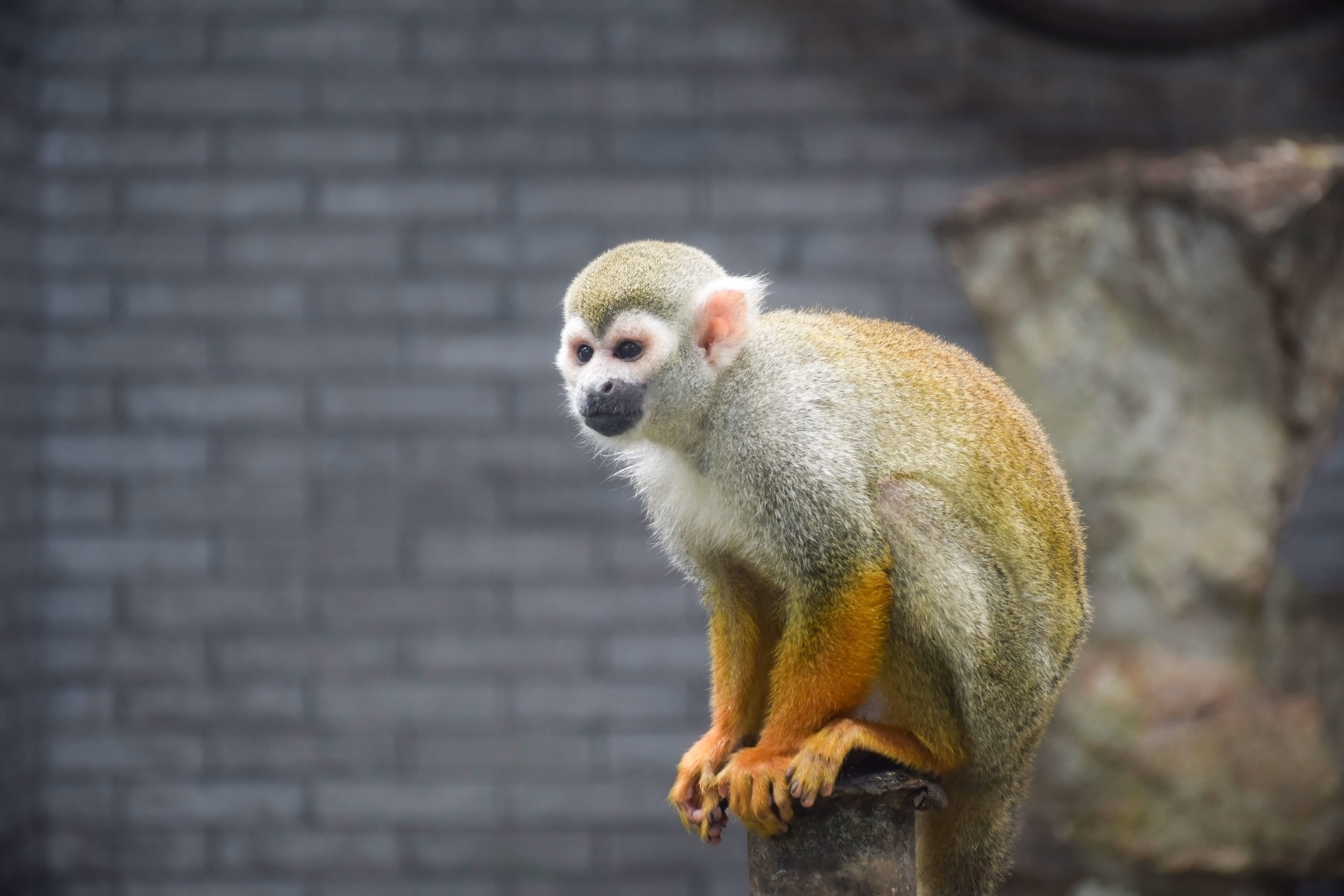
Squirrel monkeys belong to the genus Saimiri and are small New World monkeys native to the tropical forests of Central and South America. They are arboreal animals, spending much of their time moving through trees in search of food.
Despite their relatively small size, squirrel monkeys are energetic, highly social, and remarkably active animals. Different squirrel monkey species can vary somewhat in size, appearance, and behaviour.
Their characteristic facial markings and lively movements make them particularly easy to recognise.
1. Squirrel Monkeys Have Remarkable Brains
For such small primates, squirrel monkeys have surprisingly sophisticated brains.
Their brain structure has been extensively studied by scientists, making squirrel monkeys an important species in primate research. Their cerebral cortex shows considerable complexity for a small-bodied primate, contributing to their impressive learning, perception, and social abilities.
Their intelligence becomes particularly noticeable when observing how they interact with their surroundings and communicate with other members of their group.
2. They Have a Diverse, Omnivorous Diet
Squirrel monkeys are omnivores, meaning their diet includes both plant and animal-based foods.
Depending on the species and availability of food, they may feed on: • Fruits • Insects • Spiders • Flowers • Nectar • Seeds • Leaves • Small vertebrates
In fact, insects can form a significant part of their natural diet. Their ability to feed on a wide variety of foods helps them adapt to changing conditions within their forest habitats.
3. Squirrel Monkeys Are Extremely Social
One of the most interesting things about squirrel monkeys is their highly social nature.
They typically live in groups, sometimes called troops, that can contain many individuals. Research on squirrel monkeys has documented groups ranging from relatively small groups to several hundred animals, depending on the species and circumstances.
Living in a group provides several advantages. Members can forage together, communicate about potential dangers, care for young, and maintain strong social relationships.
This social nature is one reason why observing squirrel monkeys interacting with one another can be such an engaging experience.
4. Their Breeding Season Brings Interesting Changes
Squirrel monkeys have fascinating reproductive behaviour.
In several squirrel monkey species, breeding is seasonal. During the breeding period, males can undergo noticeable physical changes, including an increase in body mass. This seasonal change is sometimes referred to as fattening and can make males appear considerably more robust during the breeding season.
These changes are part of the species' natural reproductive strategy and are an interesting example of how animals can adapt their bodies and behaviour according to seasonal cycles.
5. They Have a Surprisingly Complex Communication System
Squirrel monkeys are far from quiet animals.
They use an impressive combination of vocalisations, body postures, facial expressions, scent cues, and social behaviours to communicate with one another.
Researchers have identified approximately 25–30 different types of calls in squirrel monkeys. These vocalisations can communicate different information depending on the situation, including social interactions, feeding, exploration, isolation, and potential threats.
Their communication system demonstrates just how sophisticated social interactions can be among small primates.
6. Their Face Looks Like a Natural Mask
Perhaps the most recognisable feature of a squirrel monkey is its face.
Many squirrel monkey species have distinctive white or pale markings around the eyes and mouth, creating a characteristic mask-like appearance.
Combined with their dark facial features and expressive eyes, this gives them an instantly recognisable look.
Their expressive faces, combined with their constant activity, make squirrel monkeys particularly fascinating for visitors observing them up close.
7. Squirrel Monkeys Are Active During the Day
Unlike nocturnal animals that become active after sunset, squirrel monkeys are generally diurnal.
This means they are primarily active during the daytime and rest or sleep at night.
Their daylight hours can be spent travelling through vegetation, searching for food, interacting with members of their group, grooming, playing, and exploring their surroundings.
For visitors, this daytime activity also makes them particularly interesting animals to observe during a visit to a wildlife or pet park.
8. They Are Small but Surprisingly Agile
Squirrel monkeys are small-bodied primates, but don't let their size fool you.
They are highly agile and adapted to life in trees. Their long limbs, hands, feet, and tails help them move efficiently through forest vegetation.
Their quick movements and ability to navigate branches make them exciting animals to watch as they explore their environment.
Depending on the species, adult squirrel monkeys generally weigh around 0.5–1.25 kg, although individual size varies.
9. They Can Live for Many Years
Squirrel monkeys can have relatively long lives for animals of their size.
Their lifespan varies depending on species and living conditions. Some squirrel monkeys in human care have been documented living into their 20s, with some individuals reaching around 30 years.
This long lifespan means caring for these animals is a significant long-term responsibility and requires appropriate nutrition, veterinary care, social interaction, and a suitable environment.
Why Are Squirrel Monkeys So Fascinating?
What makes squirrel monkeys particularly interesting is the combination of several characteristics.
They are: • Small but highly active • Intelligent and curious • Extremely social • Omnivorous • Excellent climbers • Highly communicative • Visually distinctive • Active during the daytime
Their behaviour gives visitors a wonderful opportunity to observe how intelligence, social relationships, communication, and adaptation work together in the animal world.
Discover the Squirrel Monkey at Flora & Fauna
At Flora & Fauna Munnar Eco Park, discovering exotic animals is more than simply looking at wildlife. The experience is designed to encourage curiosity, learning, and a closer connection with nature.
Located in Adimaly near Munnar, Kerala, Flora & Fauna brings together exotic pets, birds, reptiles, small mammals, gardens, and nature-inspired experiences in a family-friendly environment. The park aims to create meaningful wildlife encounters while promoting awareness of nature and biodiversity.
If you are looking for interesting things to do in Munnar with family and friends, a visit to Flora & Fauna offers an opportunity to explore the natural world, discover fascinating animals, and create memorable experiences along the way.
Come closer to nature, meet fascinating creatures, and discover the wonderful world of wildlife at Flora & Fauna.
FREQUENTLY ASKEDQuestions
Flora & Fauna seamlessly blends the raw thrill of outdoor exploration with calm, interactive eco-tourism experiences.
RELATED Blogs
View all blogsOct 23, 2026Read more
Canadian Pygmy Goat: Fascinating Facts About This Tiny Goat Breed
Oct 23, 2026Read more
Ferret: Fascinating Facts About This Playful and Curious Mammal
Oct 19, 2026Read more

Best Places to Visit in Munnar: 7 Must-Visit Attractions
Oct 16, 2026Read more
Green-Winged Macaw: Fascinating Facts About This Majestic Parrot
Oct 7, 2026Read more
Black-Capped Lory: Fascinating Facts About This Colourful Parrot
Oct 7, 2026Read more

READY TOEXPLOREWith Us
Contact us now !